Shop By Category
Take $130 OFF the Taurus 3 Ring Saw - Ends Wed.

Stained Glass Boxes

Stained Glass Boxes

$19.95 USD
Item# 6296   In Stock

  • Revised, expanded instructions with online support
  • 34 full-size, ready-to-use stained glass box patterns
  • Clear materials lists and difficulty ratings for confident crafting
  • Designed by renowned stained-glass artist Randy Wardell
  • 64 pages


Product Description

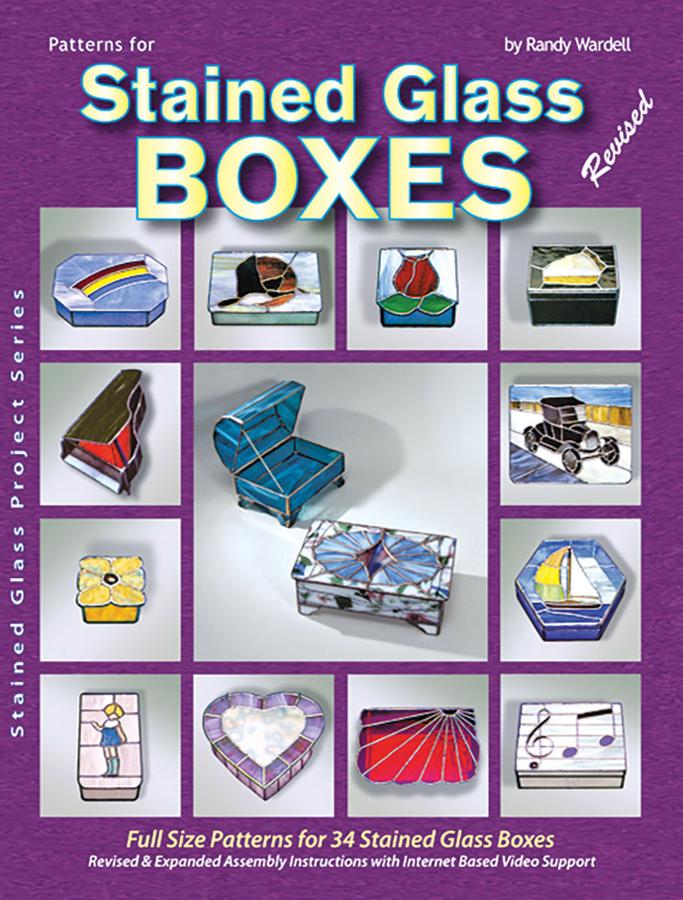
Full Size Patterns for 34 Stained Glass Boxes
Includes Revised and Expanded Assembly Instructions with Internet Based Support

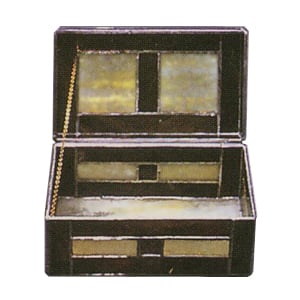
Create beautiful stained glass boxes to hold your treasures. Projects are complete with full-sized patterns, a material list and a degree of difficulty evaluation. The 8 page how-to section has been revised and expanded in 2010 to guide you through the fabrication process.

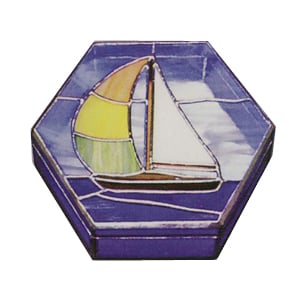
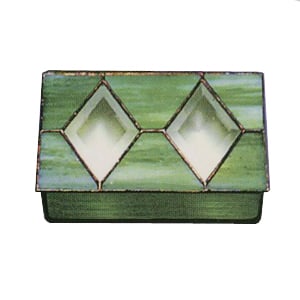
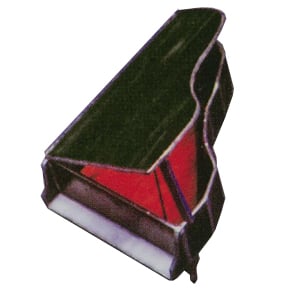
Readers will find 34 different box patterns that are straightforward to fabricate. The sizes range from mini ring boxes to themed storage boxes that offer a wealth of inspiring ideas for unique and breathtaking creations.

Artist/Designer: Randy Wardell

Customers Who Viewed This Item Also Viewed

item: 6992
Premium Stained Glass Start-Up Kit
$529.95 $429.95
19% off
item: 8799
Geometric Bevel Kit
$69.95 $53.95
23% off
item: 8798
Americana Bevel Kit
$99.95 $73.95
27% off
item: 443930
item: 6959
Stained Glass Spinner Kit
$69.95 $49.95
29% off
item: 6962
Seaside Stained Glass Projects Kit
$119.95 $83.95
31% off

Customer Reviews

4 out of 5 stars
5 star  
  0
4 star
  1
3 star
  0
2 star
  0
1 star
  0
See all customer reviews
Write a customer review

Product Images from Customers

Be the first to share product images with other customers
4 out of 5 stars
  •   stained glass boxes
By on
Pros : I enjoyed this book very much There are so many different styles and the description of the steps are very clear and easy to read.
Cons :
Other Thoughts : I have several different ones ready to work on or completed
Was this review helpful to you?  
5 of 7 people found this review helpful

See all customer reviews
Related Content
Jun 07, 2010
1. Make sure that your pieces are clean and dry. Cut a piece of clear contact paper, remove the backing and lay it sticky-side-up over the pattern. 2. This is a perfect way to hold cut glass, globs, jewels, or marbles in place for tack soldering. As you can see in the photo, you can even move the sheet around and, if you are careful, you shouldn’t disturb the glass at all. 3. Tack solder the pieces to each other as you normally would. Then, remove the contact paper and finish soldering the front before turning the project over and soldering the back. Reprinted with permission from Stained Glass News. All rights reserved.
May 05, 2010
I have some questions about Lead-Free Solder. Does it tarnish over time? Can you use patina on it? Does it flow like regular solder? Is it better than regular solder? We are sure that you arent the only one with these questions. Lets start with the question of whether or not its better than regular solder. Since the harm from lead is caused by ingestion, any project that will come in contact with food or food containers should be made with lead-free solder. In addition, anything that is handled, like jewelry or kaleidoscopes, should be made with lead-free solder. Hands have a terrible habit of making it into the mouth before they get washed. So, yes it is better than regular solder in these situations. As far as working with solder, you should be diligent about cleaning your hands after touching any solder. Dont eat, drink, smoke, or do anything
Aug 09, 2010
I want to make some copper foil and lead projects for use outside. How do I protect them from the elements? If you construct your project using the lead technique, there isnt anything else you need to do. The cementing process weatherproofs the project. If you use the copper foil technique, you will want to make sure that there is something to prevent the copper foil from pulling away from the outer edges of the project when it gets wet. This can be accomplished by using a rigid metal channel (zinc, copper or brass) or by soldering a reinforcing wire around the perimeter of the piece. Another thing you should consider is using mosaic techniques. Either the direct or indirect methods are great for outdoor projects. Your supplier will have information on these techniques if you are unfamiliar with them. Whatever technique you choose to employ, it is best to

Your Recent History