Shop By Category
Take 20% OFF Your Order* - Ends Wednesday

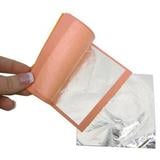
Silver Foil - 25 Sheets

Silver Foil - 25 Sheets
$74.95 USD
Only 10 left in stock - order soon.
Item# 165021   In Stock

Product Features

  • Add shining silver to create beautiful, dazzling beads
  • Use tweezers to burnish entire surface of leaf onto bead adding remarkable effects with real metals
  • Can also be used in fusing, resin casting and polymer clay projects
  • 25 sheets, 3-3/4" square each


Product Description

Cut small strips and place on the Graphite Paddle. Then roll a hot bead over it to pick up the foil. Layer clear or light colors over foil for remarkable effects! Can also be used in fusing, resin casting and polymer clay projects. Sold in books of 25 sheets measuring 3-3/4" square each. Pack makes approximately 50 beads.

Step-by-Step: Adding Metal Accents to Beads
See additional images
1. Roll hot bead in foil or apply foil to bead with tweezers.
2. Use tweezers to burnish entire surface of leaf onto bead.
3. Return bead to the cooler part of the flame to fuse the leaf.
From "The Complete Book of Glass Beadmaking" #6546.

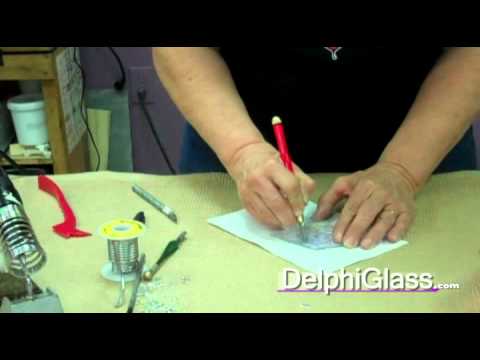
Delphi Tip: Make cutting easy - place your silver foil inside an envelope or between a folded piece of paper, then cut with shears. Once you've finished cutting, carefully slide the cut pieces onto your marver surface or glass!

Flameworked beads by Rene Roberts. From "1000 Glass Beads" book #5988. Polymer bead with metallic accents by Julia Converse Sober. From "The Art of Jewelry: Polymer Clay" book #6982.

Customer Reviews

5 out of 5 stars
5 star  
  2
4 star
  0
3 star
  0
2 star
  0
1 star
  0
See all customer reviews
Write a customer review

Product Images from Customers

Be the first to share product images with other customers
5 out of 5 stars
  •   Perfect size
By on
Pros : Nice amount
Cons : cons
Other Thoughts : works well, don't get it toonjot
Was this review helpful to you?  
2 of 3 people found this review helpful
5 out of 5 stars
  •   Nice
By on
Pros : Fun to use with glass that reacts with silver, but great to use in anything. This is more like leaf than foil
Cons :
Was this review helpful to you?  
7 of 11 people found this review helpful

See all customer reviews
Related Content
My commuting jacket is drying over a kitchen chair, and the cat has come down off the workbench to sniff the sleeve with deep suspicion. Fair enough. Theres a stripe of brown grit up the back, the kind wet roads and mashed leaves throw up all autumn.That grit ends up on brakes too. So heres a short pre-winter check for Defiant riders. Im working from general technique and the JupiterBike product listings, not from my own bike.Why autumn chews through brake padsQuick jargon check. On a disc brake, a metal disc called the rotor is fixed to the wheel hub. Two pads squeeze it to slow you down. They sit in a caliper, the clamp that straddles the rotor.Wet roads carry grit and leaf mush onto the rotor. When you brake, that grit gets trapped between pad and rotor and works like sandpaper, so the same commute wears pads faster