Shop By Category
Take 20% OFF Your Order* - Ends Today

Free Stacked Glass Trees Project Guide

Free Stacked Glass Trees Project Guide


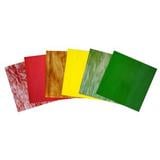
Making holiday trees are easy and fun, and can be completed in about an hour. There is no fusing, no grinding and no foiling. Just cut squares of glass, run an abrasive stone along the sides to remove any burrs and glue! See additional images to download this Free Project Guide.

Viewing this file requires the use of the Adobe Acrobat Reader. If you do not have Adobe on your system, you may download Adobe Reader free from their website.

Customers Who Viewed This Item Also Viewed

item: 57003
Taurus 3 Ring Saw
$899.95 $789.95
$110.00 off
item: 7070
The Grinder
$429.95 $389.95
$40.00 off
item: 6914
Ultimate Cutter's Mate Starter Kit
$599.95 $539.95
$60.00 off
item: 8959
Ultimate Stained Glass Start-Up Kit
$669.95 $579.95
$90.00 off
item: X4088E
item: 738002
Diamond Elite Band Saw
$819.95 $619.95
25% off

Customer Reviews

5 out of 5 stars
5 star  
  4
4 star
  0
3 star
  0
2 star
  0
1 star
  0
See all 4 customer reviews
Write a customer review

Product Images from Customers

Be the first to share product images with other customers
5 out of 5 stars
  •   Stacked Christmas trees are great
By on
Pros : Easy
Cons : Takes a lot of glass
Other Thoughts : Grinding and adding a coating is worth it
Was this review helpful to you?  
2 of 2 people found this review helpful
5 out of 5 stars
  •   Great for gifts
By on
Pros : Nice and easy to do.
Cons : Uses lots of glass. Have to be careful that the pieces don’t slide
Other Thoughts : Have done several of these. Used for new house warming presents.
Was this review helpful to you?  
6 of 9 people found this review helpful
5 out of 5 stars
  •   Beautiful
By on
Pros : Great project to do with child or grandchild
Cons :
Other Thoughts : My grandaughter and I made this last yr for her parents xmas gift turned out really nice
Was this review helpful to you?  
5 of 12 people found this review helpful

See all 4 customer reviews
Related Content
My commuting jacket is drying over a kitchen chair, and the cat has come down off the workbench to sniff the sleeve with deep suspicion. Fair enough. Theres a stripe of brown grit up the back, the kind wet roads and mashed leaves throw up all autumn.That grit ends up on brakes too. So heres a short pre-winter check for Defiant riders. Im working from general technique and the JupiterBike product listings, not from my own bike.Why autumn chews through brake padsQuick jargon check. On a disc brake, a metal disc called the rotor is fixed to the wheel hub. Two pads squeeze it to slow you down. They sit in a caliper, the clamp that straddles the rotor.Wet roads carry grit and leaf mush onto the rotor. When you brake, that grit gets trapped between pad and rotor and works like sandpaper, so the same commute wears pads faster

You may also like