Shop By Category
3 Days Only - Save Up to $1,100 on Kilns

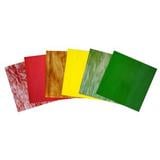
Youghiogheny Emerald Green And Lime Green Reproduction

Youghiogheny Emerald Green And Lime Green Reproduction by Youghiogheny Glass
Unit Size* Price Qty 
small 6" x 6" $6.45 USD
medium 12" x 12" $20.95
large 18" x 24" $60.95

Item# Y4403RG   In Stock

Product Features

  • Good for Stained Glass Projects
  • Premium Handmade Glass
  • More Colors Per Sheet

Product Description

Youghiogheny's glass is uniquely formulated to imitate the surface hazing and waxy quality associated with glass made by Tiffany, reproduction glass offers an authentic look for artisans that wish to replicate the quality of the original master works. Use this special Tiffany reproduction glass in your projects to create an incredibly rich and realistic effect in nature scenes.

Youghiogheny glass is popular among glass artists for its uncompromising quality and unique colors created by mixing artistry with technology. It recreates the magnificence of nature's palate.

Photo above is a general representation of glass colors. Colors may vary. Sizes are approximate.

Customer Reviews

5 out of 5 stars
5 star  
  2
4 star
  0
3 star
  0
2 star
  0
1 star
  0
See all customer reviews
Write a customer review

Product Images from Customers

Be the first to share product images with other customers
5 out of 5 stars
  •   Love this glass
By on
Pros : I use this glass for many of my glass panels. It’s great for making leaves and foliage. I used it for a large frog sitting on a stump and the frog’s spotted skin looks real! The colors do not have that washed out look when held to light like so much other glass does. I also like the thickness. It’s not overly thick or thin. 7/32” foil works great.
Cons : None
Other Thoughts : Hope they never change it.
Was this review helpful to you?  
1 of 2 people found this review helpful
5 out of 5 stars
  •   Gorgeous!
By on
Pros : Gorgeous color and texture...love the mottled
Cons :
Was this review helpful to you?  
1 of 2 people found this review helpful

See all customer reviews
Related Content
My commuting jacket is drying over a kitchen chair, and the cat has come down off the workbench to sniff the sleeve with deep suspicion. Fair enough. Theres a stripe of brown grit up the back, the kind wet roads and mashed leaves throw up all autumn.That grit ends up on brakes too. So heres a short pre-winter check for Defiant riders. Im working from general technique and the JupiterBike product listings, not from my own bike.Why autumn chews through brake padsQuick jargon check. On a disc brake, a metal disc called the rotor is fixed to the wheel hub. Two pads squeeze it to slow you down. They sit in a caliper, the clamp that straddles the rotor.Wet roads carry grit and leaf mush onto the rotor. When you brake, that grit gets trapped between pad and rotor and works like sandpaper, so the same commute wears pads faster

You may also like