Shop By Category
4 Days Only - Save on the Taurus 3 and Max 10

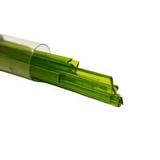
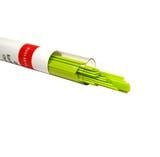
5/64" Round U Lead Hobby Came – 6 Ft Piece

5/64" Round U Lead Hobby Came – 6 Ft Piece
$2.95 USD
Item# 5593   In Stock

Product Features

  • Sold in 6 ft strips. Only buy what you need!
  • Packaged to arrive straight and ready to stretch
  • "Hobby Came" measurements - perfect size for nightlights and small projects


Product Description

Elevate your stained glass creations with high-quality lead came, the essential framework for strong, professional-looking designs. Whether you're crafting intricate panels, restoring antique windows, or assembling custom designs, our lead came provides strength and a smooth finish to ensure seamless soldering and a polished final look. Packaged to arrive long, straight and ready to stretch.

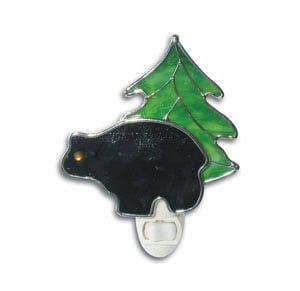
5/64" Round U, or hobby came as it's often called, has an extremely narrow face, allowing hobbyist to put a lead finish around small glass projects like suncatchers and stained glass night lights. Images above shows finished precut night light kits finished with hobby came.

Pieces measure six feet with a 5/32" channel. Face measures 5/64". Sold by the piece. When ordering individual came pieces an over sized boxing charge will be applied.Just need a piece? Check out our rolled and bagged option item #P5593.

Note: This item cannot ship via USPS.

Proposition 65 Warning Label

Gift project and pattern created by Delphi artist Kayleigh Clark. 

California Prop 65 WARNING: This product can expose you to chemicals including lead, which are known to the State of California to cause cancer and birth defects or other reproductive harm. For more information go to www.P65Warnings.ca.gov

Customer Reviews

5 out of 5 stars
5 star  
  1
4 star
  0
3 star
  0
2 star
  0
1 star
  0
See all customer reviews
Write a customer review

Product Images from Customers

Be the first to share product images with other customers
5 out of 5 stars
  •   5/64 Round U Lead Hobby Came
By on
Pros : Wow! My first time ever using lead hobby came and I loved it! So easy once I figured it out. Definitely need to use steel wool prior to putting on glass LOL!
Cons : I wish it had come with some (any)?kind of instructions! I did Google “how to use” but was following instructions on a kit before I thought to do so :( All worked out in long run after some pulling apart to stretch and rub with steel wool before reattaching!
Other Thoughts : Include instructions with all orders just in case you have a newbie using hobby came! It would save some hassle and frustration! Love the product!
Was this review helpful to you?  
20 of 22 people found this review helpful

See all customer reviews
Related Content
My commuting jacket is drying over a kitchen chair, and the cat has come down off the workbench to sniff the sleeve with deep suspicion. Fair enough. Theres a stripe of brown grit up the back, the kind wet roads and mashed leaves throw up all autumn.That grit ends up on brakes too. So heres a short pre-winter check for Defiant riders. Im working from general technique and the JupiterBike product listings, not from my own bike.Why autumn chews through brake padsQuick jargon check. On a disc brake, a metal disc called the rotor is fixed to the wheel hub. Two pads squeeze it to slow you down. They sit in a caliper, the clamp that straddles the rotor.Wet roads carry grit and leaf mush onto the rotor. When you brake, that grit gets trapped between pad and rotor and works like sandpaper, so the same commute wears pads faster

You may also like