Shop By Category
LAST DAY - Save Up to $1,100 on Kilns

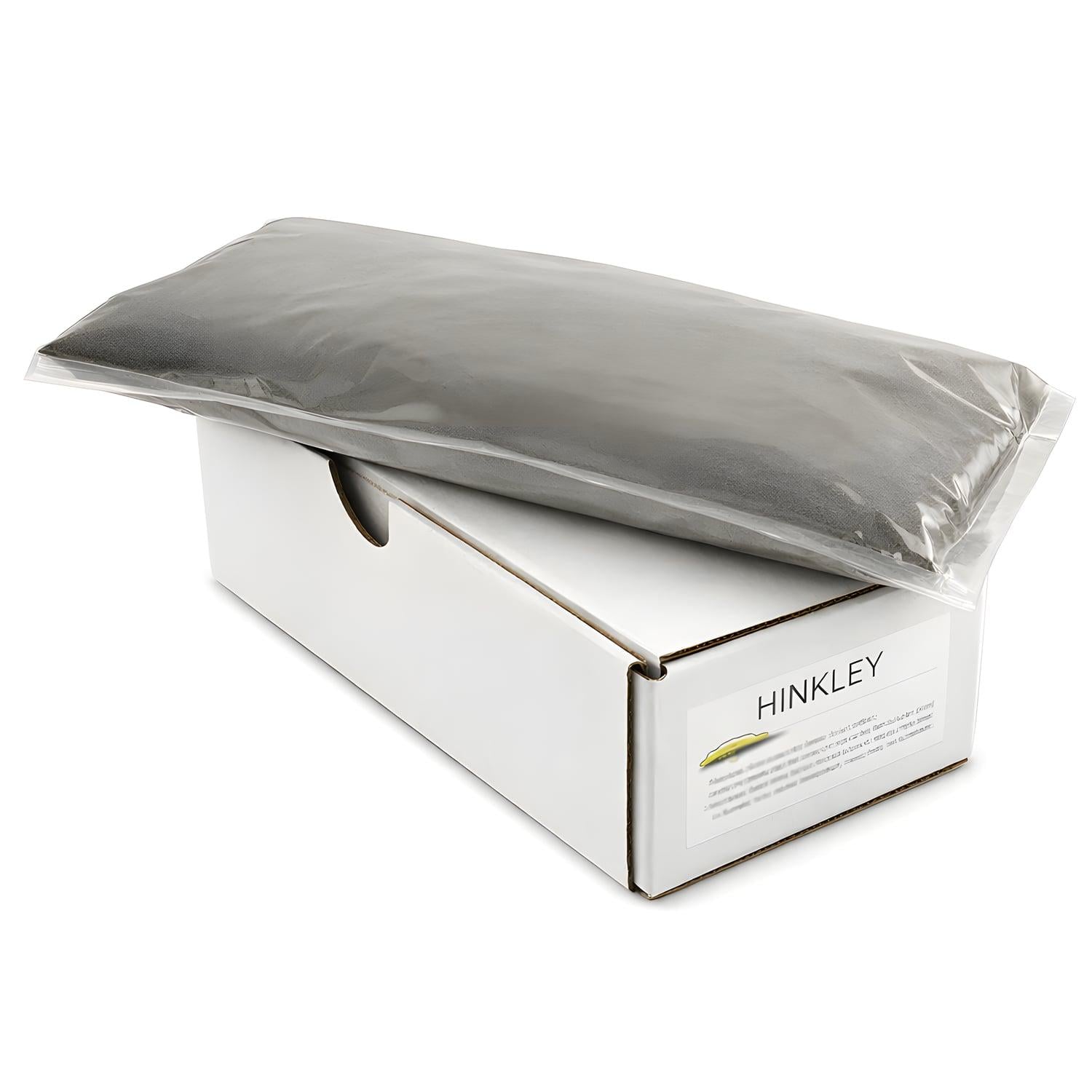
120/220 Silicon Carbide Grit - 1 Lb

120/220 Silicon Carbide Grit - 1 Lb by Covington Engineering
$11.95 USD
Item# 94804   In Stock

  • An ideal medium for the wet polishing process
  • Great for use when upcycling with cut bottles
  • 120/220 grit offers a coarse grit for the first stages of polishing
  • 1 lb. package


Product Description

Silicon carbide grit is an ideal medium for wet polishing processes. Available in different grits appropriate for the process of shaping, refining and polishing a surface, each plays a vital role in producing a high gloss finish.

Use silicon carbide with the Rociprolap Grinder/Polisher (item #94801) for finishing glass art, with lapidary grinders, or in a tumbler to finish natural gem stones.

120/220 grit contains a range of particle sizes, which will remove material to provide a uniform surface ready for polishing. 1 lb.

Customers Who Viewed This Item Also Viewed

Customer Reviews

5 out of 5 stars
5 star  
  1
4 star
  0
3 star
  0
2 star
  0
1 star
  0
See all customer reviews
Write a customer review

Product Images from Customers

Be the first to share product images with other customers
5 out of 5 stars
  •  
By on
Pros :
Cons :
Was this review helpful to you?  

See all customer reviews
Related Content
My commuting jacket is drying over a kitchen chair, and the cat has come down off the workbench to sniff the sleeve with deep suspicion. Fair enough. Theres a stripe of brown grit up the back, the kind wet roads and mashed leaves throw up all autumn.That grit ends up on brakes too. So heres a short pre-winter check for Defiant riders. Im working from general technique and the JupiterBike product listings, not from my own bike.Why autumn chews through brake padsQuick jargon check. On a disc brake, a metal disc called the rotor is fixed to the wheel hub. Two pads squeeze it to slow you down. They sit in a caliper, the clamp that straddles the rotor.Wet roads carry grit and leaf mush onto the rotor. When you brake, that grit gets trapped between pad and rotor and works like sandpaper, so the same commute wears pads faster