Shop By Category
Take 20% OFF Your Order* - Ends Today

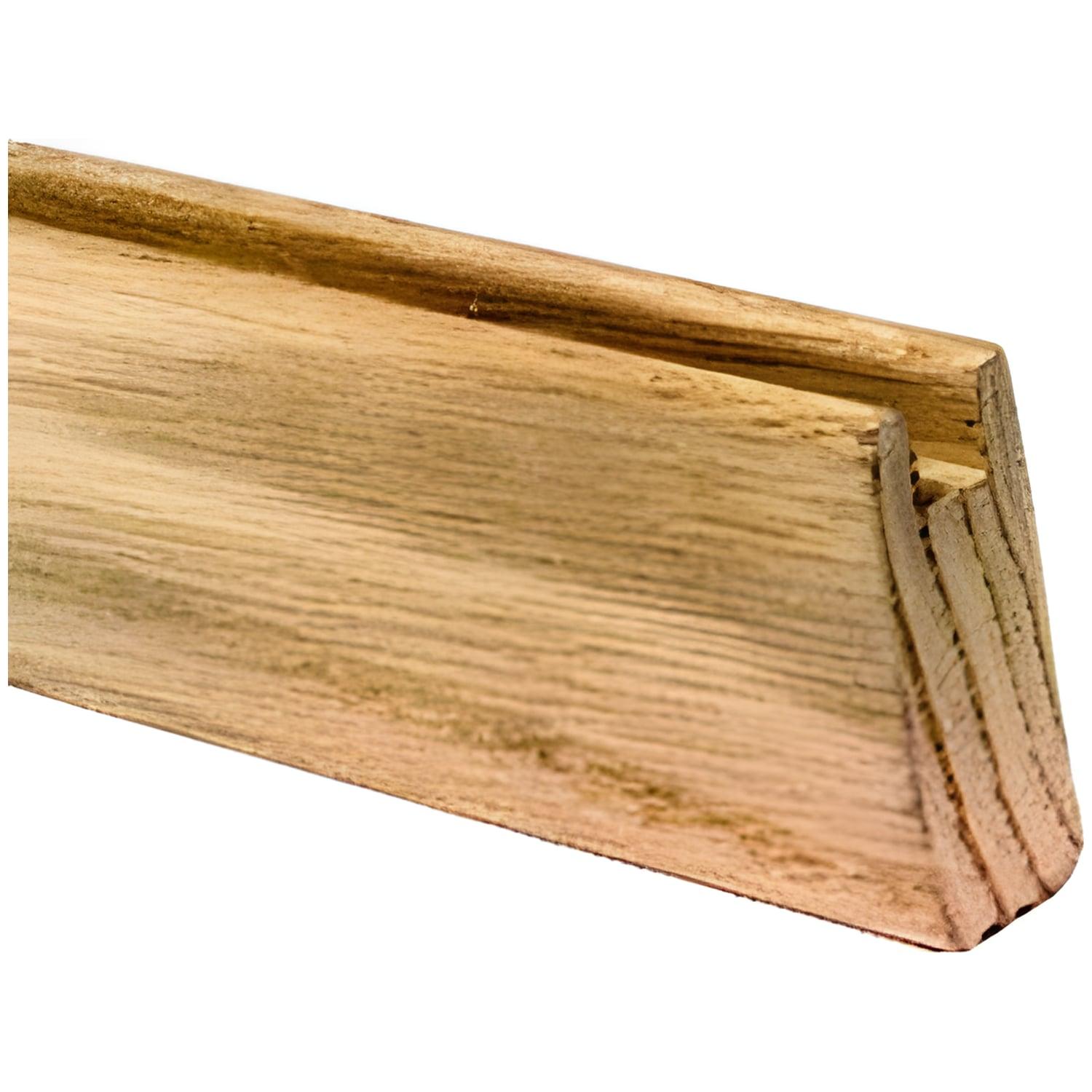
2" x 3' Oak Framing Stock

2" x 3' Oak Framing Stock

BOGO

Buy One Get One 50% Off
$21.95 USD
Item# 5632   In Stock

Product Features

  • Oak framing stock for making custom frames
  • High-quality hardwood has a smooth sanded finish
  • Routed to accept all "U" channel came
  • Any "U" came ¼" or smaller will be hidden in the channel
  • Made in the U.S.A.


Product Description

Frame your stained glass projects in this oak framing stock for an elegant finishing touch. High-quality hardwood comes in sections three feet long with a channel 3/8" deep and 5/16" wide. Sanded smooth, routed and ready for you to apply the finish. Other widths and lengths available. Sold by the piece. To ensure a safe delivery, an oversized boxing charge will be applied.

Tips for Making Wood Frames for Stained Glass

Beginning with the size of your finished panel, add the miter allowance to get the correct outside size to cut the frame:

  • 3/4" wide frame stock: add 1-1/2"
  • 1" wide frame stock: add 2"
  • 1-3/8" wide frame stock: add 2-5/8"
  • 2" wide frame stock: add 3-1/2"

Use framing screws #8845 for the corners. Following the package directions, drill corner holes and insert screws.

Delphi Tips: To prevent the sideways "drift" or "stepping" you may experience when assembling the frame, just place a C-clamp covering both mitered edges. Keep it snug – but not too tight, and insert screw.

Side Mount Hooks #8841 are a strong and secure method of hanging framed stained glass panels.


Bevel panel by artist George Ayars. Rose and bevel accent panels by artist Denny Berkery. Both from "300 Stained Glass Cabinet Door Designs" book #6078.
Santa panel by artist Keturah Guzinski.

Note: This item cannot ship via USPS.

Customer Reviews

5 out of 5 stars
5 star  
  1
4 star
  0
3 star
  0
2 star
  0
1 star
  0
See all customer reviews
Write a customer review

Product Images from Customers

Be the first to share product images with other customers
5 out of 5 stars
  •   Great piece
By on
Pros : Straight, smooth, good stock
Cons : None
Other Thoughts : I was surprised at the quality of the wood.
Was this review helpful to you?  
16 of 26 people found this review helpful

See all customer reviews
Related Content
My commuting jacket is drying over a kitchen chair, and the cat has come down off the workbench to sniff the sleeve with deep suspicion. Fair enough. Theres a stripe of brown grit up the back, the kind wet roads and mashed leaves throw up all autumn.That grit ends up on brakes too. So heres a short pre-winter check for Defiant riders. Im working from general technique and the JupiterBike product listings, not from my own bike.Why autumn chews through brake padsQuick jargon check. On a disc brake, a metal disc called the rotor is fixed to the wheel hub. Two pads squeeze it to slow you down. They sit in a caliper, the clamp that straddles the rotor.Wet roads carry grit and leaf mush onto the rotor. When you brake, that grit gets trapped between pad and rotor and works like sandpaper, so the same commute wears pads faster

You may also like