Shop By Category
Take 20% OFF Your Order* - Ends Wednesday

1/16" Brass Rods - 5 Pack

1/16" Brass Rods - 5 Pack
$7.95 USD
Item# 5486P   In Stock

Product Features

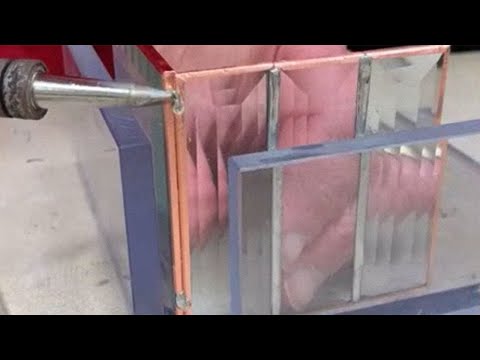
  • Create custom hinges for your glass boxes for a perfect fit
  • Accepts solder easily so you get a secure connection to your project
  • 1/16" Diameter brass rods provide exceptional strength
  • Sold in pack of 5 rods, each 12" long


Product Description

Create custom stained glass box hinges with this convenient pack of brass rods. Designed to fit brass tubes (sold separately) to make a 2-part hinge that can be custom fitted for your box design. Each 1/16" diameter brass rod is approximately 12" long. Sold in pack of 5 rods.

Turkey by artist Kayleigh Clark.

Customers Who Viewed This Item Also Viewed

Customer Reviews

5 out of 5 stars
5 star  
  3
4 star
  0
3 star
  0
2 star
  0
1 star
  0
See all 3 customer reviews
Write a customer review

Product Images from Customers

Be the first to share product images with other customers
5 out of 5 stars
  •   1/16” Brass Rods-5pack
By on
Pros : Easy to work with. Great for stems for 3D flowers and leaves.
Cons : Not pre-tinned. All one size-12 inches.
Other Thoughts : I wish these came in 12-18 inches in a pack so that you could make a bouquet of flowers and leaf stems of varying lengths!
Was this review helpful to you?  
2 of 2 people found this review helpful
5 out of 5 stars
  •   Box hinges
By on
Pros : Slim and sturdy. Combine with the 3/32" brass tubes 5 pack to create box hinges.
Cons : This con is really a pro: These are a little hard to bend. But if you've ever had a box hinge give out on you, it's been because of someone using wimpy wire. Just saying. :-)
Other Thoughts : I wish these came in bulk quantities or longer lengths (to cut down as needed)!
Was this review helpful to you?  
4 of 4 people found this review helpful
5 out of 5 stars
  •   Perfect - no bends
By on
Pros :
Cons :
Was this review helpful to you?  

See all 3 customer reviews
Related Content
My commuting jacket is drying over a kitchen chair, and the cat has come down off the workbench to sniff the sleeve with deep suspicion. Fair enough. Theres a stripe of brown grit up the back, the kind wet roads and mashed leaves throw up all autumn.That grit ends up on brakes too. So heres a short pre-winter check for Defiant riders. Im working from general technique and the JupiterBike product listings, not from my own bike.Why autumn chews through brake padsQuick jargon check. On a disc brake, a metal disc called the rotor is fixed to the wheel hub. Two pads squeeze it to slow you down. They sit in a caliper, the clamp that straddles the rotor.Wet roads carry grit and leaf mush onto the rotor. When you brake, that grit gets trapped between pad and rotor and works like sandpaper, so the same commute wears pads faster

You may also like