Shop By Category
Take Up to $150 OFF Your Order - Get Your Coupon

Morton Assembly Tray

Morton Assembly Tray by Morton Glass Works
$43.95 USD
Only 3 left in stock - order soon.
Item# 7155   In Stock

  • Helps solder multi-angles easily
  • Ideal tool for creating 3-D projects
  • Includes project instructions and ideas
  • Easy to follow directions

Product Description

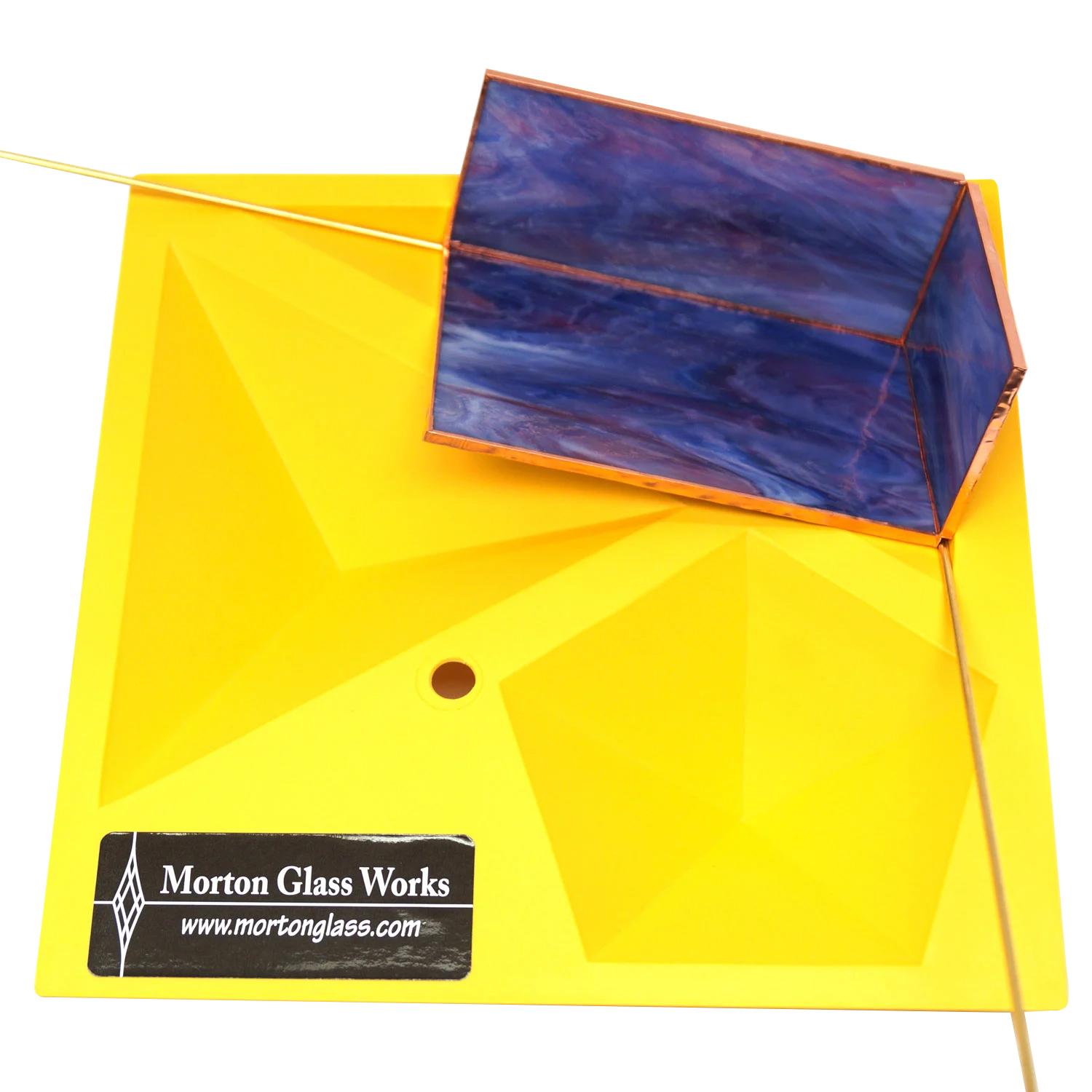
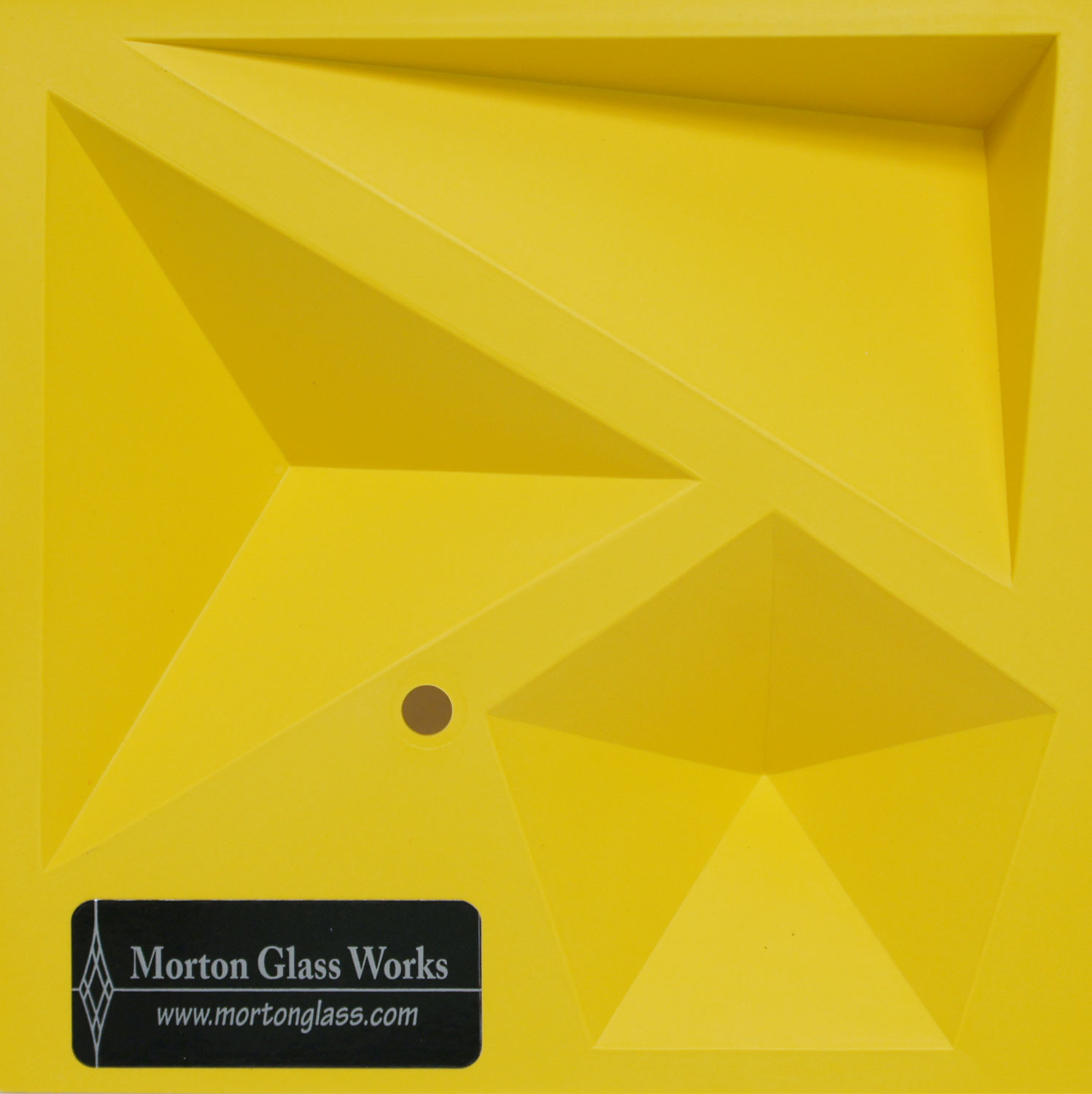
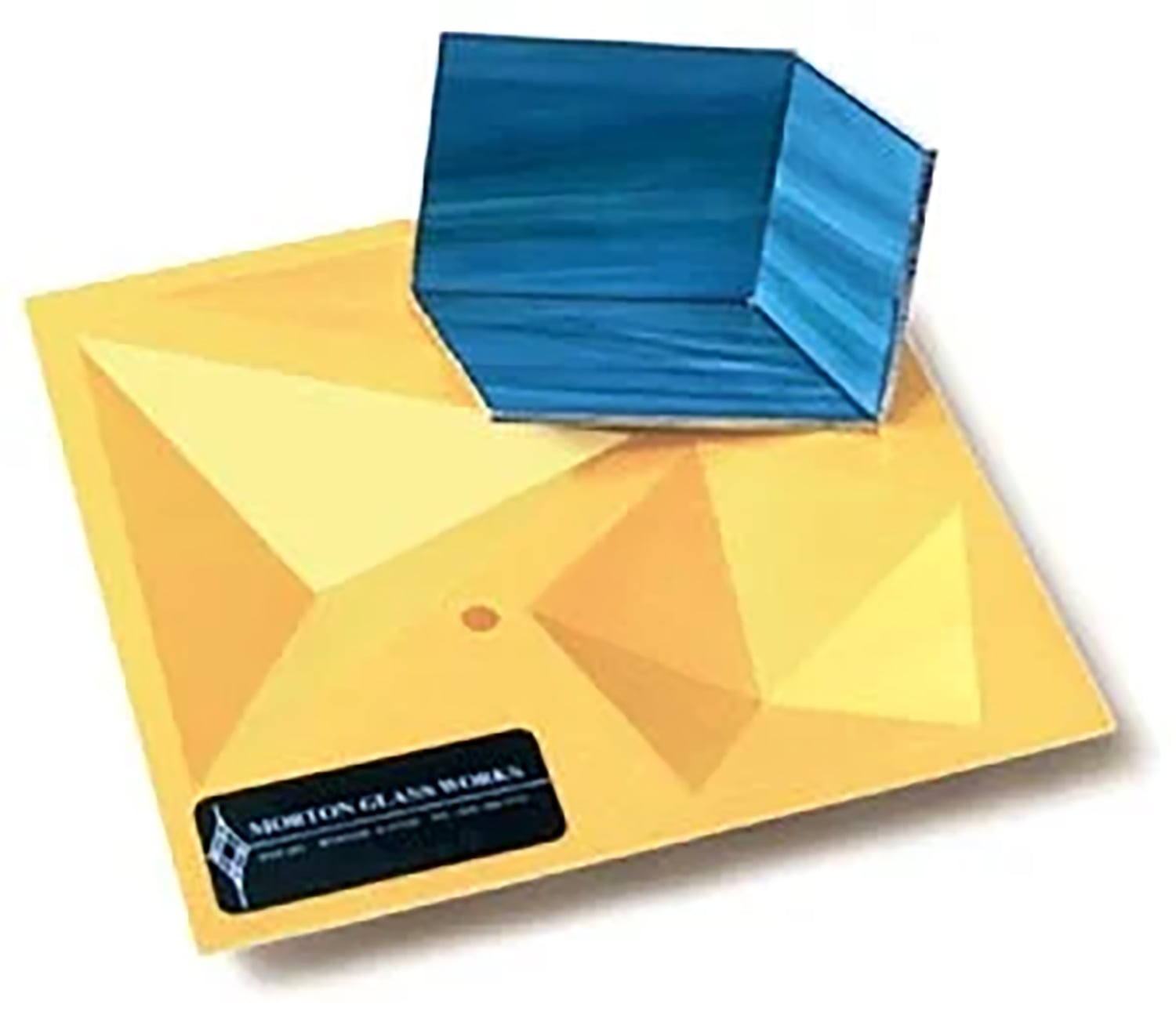
Easily solder multi-surfaces at varying angles and achieve high-quality results, it's like having another set of hands! No home stained glass workshop is complete without it. Create stained glass boxes and other dimensional projects with ease. Comes with simple directions plus many project instructions and ideas.
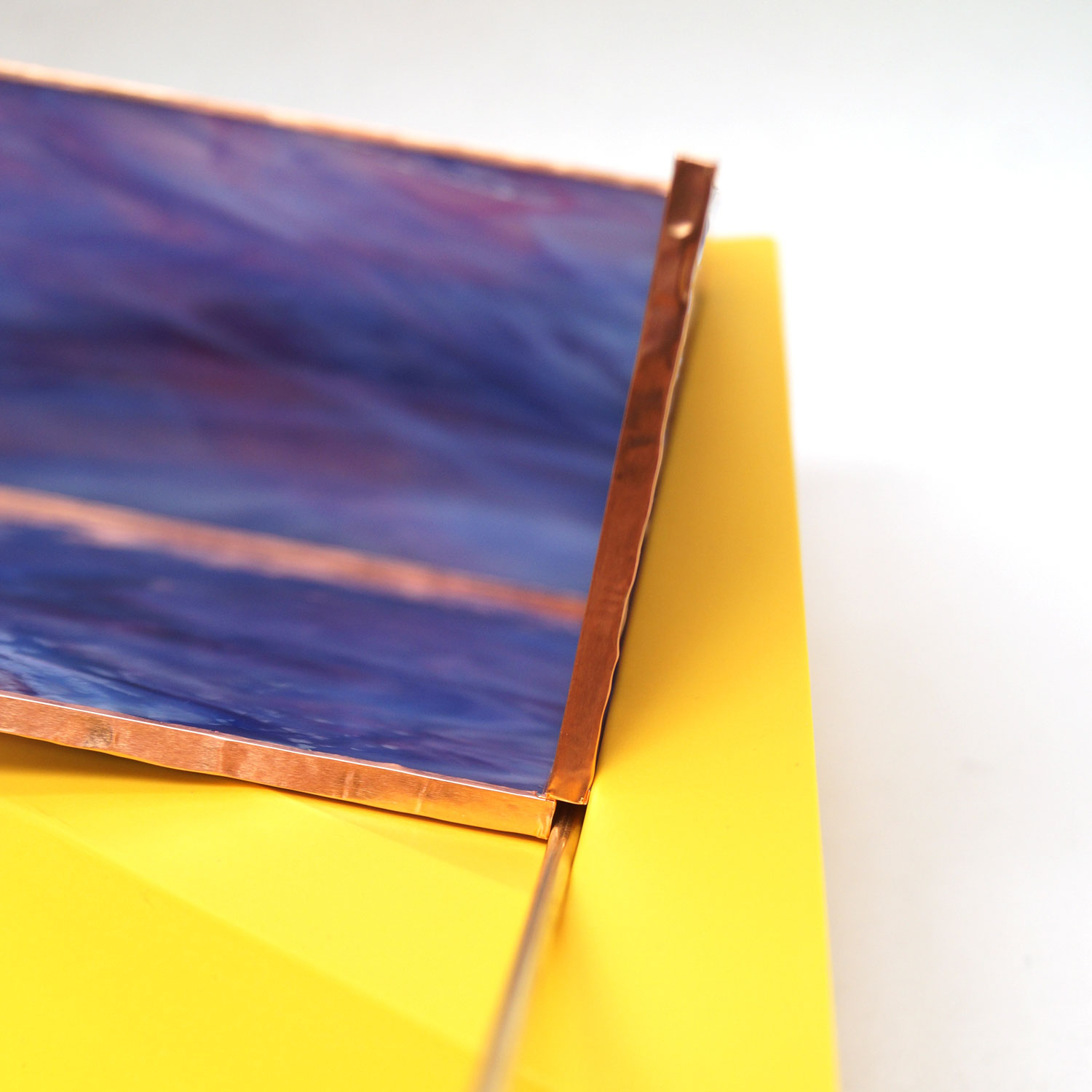
Spacer rods are needed to hold your glass in the correct position (see additional images), not included. We used 2 Brass Tubes item #5485P.


Customers Who Viewed This Item Also Viewed

item: 44815
Angle Tool
$79.95 $63.95
21% off
item: 40560
Lead Stretcher
$199.95 $169.95
16% off
item: 639106
7-1/2" Wood Box
$26.95 $18.95
30% off
item: 6602
Pendulum Clock Movement
$39.95 $28.00
30% off
item: 5389
Spade Black Clock Movement Kit
$16.95 $11.00
36% off

Customer Reviews

5 out of 5 stars
5 star  
  1
4 star
  0
3 star
  0
2 star
  0
1 star
  0
See all customer reviews
Write a customer review

Product Images from Customers

Be the first to share product images with other customers
5 out of 5 stars
  •   Morton Assembly Tray
By on
Pros : Really makes a difference when doing 3D projects. Once my pieces were ready i had an icosahedron put together in minutes.
Cons : Large pieces tend to have too much weight hanging out and the pieces don't always want to stay in so well.
Other Thoughts : Would be nice if they made this in more then one size, or if you were able to buy sections in bigger sizes for larger projects.
Was this review helpful to you?  
8 of 9 people found this review helpful

See all customer reviews
Related Content
My commuting jacket is drying over a kitchen chair, and the cat has come down off the workbench to sniff the sleeve with deep suspicion. Fair enough. Theres a stripe of brown grit up the back, the kind wet roads and mashed leaves throw up all autumn.That grit ends up on brakes too. So heres a short pre-winter check for Defiant riders. Im working from general technique and the JupiterBike product listings, not from my own bike.Why autumn chews through brake padsQuick jargon check. On a disc brake, a metal disc called the rotor is fixed to the wheel hub. Two pads squeeze it to slow you down. They sit in a caliper, the clamp that straddles the rotor.Wet roads carry grit and leaf mush onto the rotor. When you brake, that grit gets trapped between pad and rotor and works like sandpaper, so the same commute wears pads faster