Shop By Category
4 Days Only - Save on the Taurus 3 and Max 10

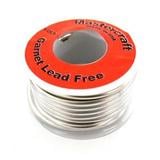
Mastercraft 60/40 Solder - 1 Lb.

Mastercraft 60/40 Solder - 1 Lb. by MasterCraft
$36.95 USD
Buy 6 or more for $33.25 each
Buy 12 or more for $31.45 each
We're sorry, discount coupons do not apply to this item.
Item# 3000   In Stock

Product Features

  • Stays in a liquid stage longer for smoother solder lines
  • Lower melting temperature than 50/50 solder
  • Ideal for beginners and experienced crafters
  • Convenient 1 lb spool


Product Description

Glass artists need a very specific mix of alloys in their solder to get a smooth and clean bead on their work. Anything else is difficult and sometimes impossible to work with. 60/40 stays in a liquid stage longer, giving you more time to produce smooth solder seams. It also melts at a lower temperature than 50/50 and is popular among beginners as well as experienced crafters. From intricate suncatchers to large panels and windows, trust this premium solder to provide the strength and beauty your stained glass art deserves. Sold in convenient 1 lb. spools.

60% TIN / 40% LEAD STAINED GLASS SOLDER: For use on copper foil seams and lead came seams. Offers superior flow over 50/50 with more flow per inch than 50/50. Melting temperature: 361° - 376°F.

Square kaleidoscope panel by artist Molly Pratt, from Delphi's Online Artist Gallery. Sailboat project by artist Kimberly Clements, From Delphi's Online Artist Gallery. Pattern from "Nature's Splendor" book #6797.

Proposition 65 Warning Label

California Prop 65 WARNING: This product can expose you to chemicals including lead, which are known to the State of California to cause cancer and birth defects or other reproductive harm. For more information go to www.P65Warnings.ca.gov

Customer Reviews

4.8 out of 5 stars
5 star  
  49
4 star
  6
3 star
  1
2 star
  1
1 star
  0
See all 57 customer reviews
Write a customer review

Product Images from Customers

Be the first to share product images with other customers
5 out of 5 stars
  •   Mastercraft 60/40 Solder - 1 lb
By on
Pros : Good solder melts smoothly and consistent
Cons : none
Other Thoughts : Good value for the money
Was this review helpful to you?  
3 of 3 people found this review helpful
5 out of 5 stars
  •   great solder
By on
Pros : works the same as any other brand
Cons : haven't noticed any problems
Other Thoughts : great solder for the price
Was this review helpful to you?  
2 of 2 people found this review helpful
5 out of 5 stars
  •  
By on
Pros : Works well.
Cons :
Was this review helpful to you?  
2 of 2 people found this review helpful

See all 57 customer reviews
Related Content
My commuting jacket is drying over a kitchen chair, and the cat has come down off the workbench to sniff the sleeve with deep suspicion. Fair enough. Theres a stripe of brown grit up the back, the kind wet roads and mashed leaves throw up all autumn.That grit ends up on brakes too. So heres a short pre-winter check for Defiant riders. Im working from general technique and the JupiterBike product listings, not from my own bike.Why autumn chews through brake padsQuick jargon check. On a disc brake, a metal disc called the rotor is fixed to the wheel hub. Two pads squeeze it to slow you down. They sit in a caliper, the clamp that straddles the rotor.Wet roads carry grit and leaf mush onto the rotor. When you brake, that grit gets trapped between pad and rotor and works like sandpaper, so the same commute wears pads faster

4 Stars and Above