Shop By Category

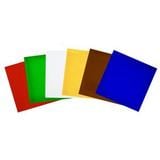
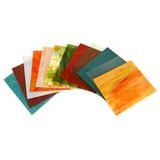
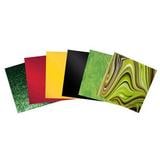
Y96 Treasure Island Glass Pack - 96 COE

Y96 Treasure Island Glass Pack - 96 COE by Designed By Delphi
$49.95 USD
Item# X4334   In Stock

  • A treasure trove of glass to help your imagination set sail!
  • Perfect for richly colorful fused glass projects
  • 6 pieces, 6" x 6" each
  • Pack includes striker glass - color shifts when fired
  • 96 COE

Product Description

From brilliant tropical greens to rich ocean blues, this pack delivers endless creative possibilities. Fill your studio with lush, lovely colors and create a trove of fused glass treasures that any pirate would love to get their hands on!

6 pieces, 6" x 6" each.
 96 COE. Can also be used for stained glass or mosaics.

Note: Pack includes strikers. Glass color shifts when fired.

Glass pieces are marked with item numbers for easy reordering. Pricing includes boxing charge. Photo is one example; actual glass may vary. Sizes are approximate.

Delphi Tip: Clean Y96 glass thoroughly with a non-ammonia glass cleaner before firing to get a smooth, glossy finish in your fired art. Cap with clear for extra shine.

Y96 Recommended Firing Schedules

Delphi Tip: We recommend using a project and firing log to keep track of information about your projects and firing schedules can be an extremely useful tool for every artist. Once you've achieved a good result you can reference the logs to re-create the project or simply re-use a firing schedule for a similar project. Click here to download our free firing log.
 

Full Fuse
Segment Rate Temperature Hold/Minutes
1 300°F/hr 1000°F 10
2 300°F/hr 1250°F 20
3 300°F/hr 1425°F 15
4 Full (9999) 950°F 60
5 200°F/hr 800°F 10
6 300°F/hr 150°F  
Tack Fuse
Segment Rate Temperature Hold/Minutes
1 300°F/hr 1000°F 10
2 300°F/hr 1250°F 20
3 300°F/hr 1350°F 10
4 Full (9999) 950°F 60
5 200°F/hr 800°F 10
6 300°F/hr 150°F  
Slump Fuse
Segment Rate Temperature Hold/Minutes
1 300°F/hr 1000°F 30
2 200°F/hr 1225°F 10
3 Full (9999) 950°F 60
4 200°F/hr 800°F 10
5 300°F/hr 150°F  
*All kilns are not alike. Your kiln size, controller type, and  individual  project may require some alteration to the schedule for best results.

Related Products

Customer Reviews

5 out of 5 stars
5 star  
  2
4 star
  0
3 star
  0
2 star
  0
1 star
  0
See all customer reviews
Write a customer review

Product Images from Customers

Be the first to share product images with other customers
5 out of 5 stars
  •  
By on
Pros :
Cons :
Was this review helpful to you?  
1 of 2 people found this review helpful
5 out of 5 stars
  •   Lovely glass
By on
Pros : Now I I get creative
Cons :
Was this review helpful to you?  
2 of 4 people found this review helpful

See all customer reviews
Related Content
My commuting jacket is drying over a kitchen chair, and the cat has come down off the workbench to sniff the sleeve with deep suspicion. Fair enough. Theres a stripe of brown grit up the back, the kind wet roads and mashed leaves throw up all autumn.That grit ends up on brakes too. So heres a short pre-winter check for Defiant riders. Im working from general technique and the JupiterBike product listings, not from my own bike.Why autumn chews through brake padsQuick jargon check. On a disc brake, a metal disc called the rotor is fixed to the wheel hub. Two pads squeeze it to slow you down. They sit in a caliper, the clamp that straddles the rotor.Wet roads carry grit and leaf mush onto the rotor. When you brake, that grit gets trapped between pad and rotor and works like sandpaper, so the same commute wears pads faster

Your Recent History