Shop By Category
Take Up to $150 OFF Your Order - Get Your Coupon

Garden Bug Casting Mold

Garden Bug Casting Mold by Creative Paradise
$34.95 USD
Only 6 left in stock - order soon.
Item# 80928   In Stock

Product Features

  • Create 8 pieces at once
  • Mold measures 5" x 6-1/4"
  • Ceramic molds can be used many times


Product Description

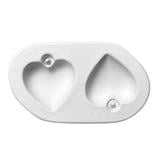
Casting molds are a simple way to make beautiful glass art. This molds allows you to create multiple pieces in just one firing. These pieces that are beautiful enough to stand alone or to incorporate into larger projects. Molds can be filled with glass frit, powder, or sheet glass. Mold measures 5" x 6-1/4". Castings measure as small as 3/4" up to 2-1/2".

Images courtesy of Creative Paradise. Bugs act as great detail to be used with floral projects. Daisy bowl created by artist Linda Malone Glover. 

Click here for the free project guide.

Create your own footed garden dish by using this mold in conjunction with other molds, download the FREE Project Guide! Click here to see all of the molds used to create this fun project. Created by artist Stephanie O'Toole, courtesy of Creative Paradise.

Customers Who Viewed This Item Also Viewed

Customer Reviews

5 out of 5 stars
5 star  
  1
4 star
  0
3 star
  0
2 star
  0
1 star
  0
See all customer reviews
Write a customer review

Product Images from Customers

Be the first to share product images with other customers
5 out of 5 stars
  •   Fun accents for flowers
By on
Pros : These fuse nicely, especially the bees and caterpillars. Little frit balls work best for ladybug spots with opaque red glass. I followed the tutorial provided by Creative Paradise and have the tools to sift these. You've got yo have a little patience but it's well worth it. I've ta k-fused them to many flowers.
Cons : A little tricky but worth the outcome
Was this review helpful to you?  
3 of 6 people found this review helpful

See all customer reviews
Related Content
My commuting jacket is drying over a kitchen chair, and the cat has come down off the workbench to sniff the sleeve with deep suspicion. Fair enough. Theres a stripe of brown grit up the back, the kind wet roads and mashed leaves throw up all autumn.That grit ends up on brakes too. So heres a short pre-winter check for Defiant riders. Im working from general technique and the JupiterBike product listings, not from my own bike.Why autumn chews through brake padsQuick jargon check. On a disc brake, a metal disc called the rotor is fixed to the wheel hub. Two pads squeeze it to slow you down. They sit in a caliper, the clamp that straddles the rotor.Wet roads carry grit and leaf mush onto the rotor. When you brake, that grit gets trapped between pad and rotor and works like sandpaper, so the same commute wears pads faster