Shop By Category
Take 20% OFF Your Order* - Ends Wednesday

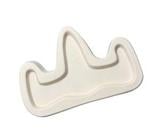
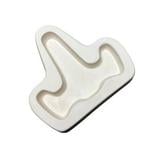
Starfire Drape Mold And Foot Casting Mold Bundle

Starfire Drape Mold And Foot Casting Mold Bundle by Wardell
$169.95 USD
Only 4 left in stock - order soon.
Item# 42336   In Stock

Product Features

  • Create a fused bowl reminiscent of a blown glass vessel
  • Comes with step-by-step instructions and firing schedules
  • Finished bowl and foot when fused together measures 12" in diameter × 7" deep
  • Draping mold produces six gentle waves that ripple around the perimeter


Product Description

Beautiful drapes with feet to stand on!
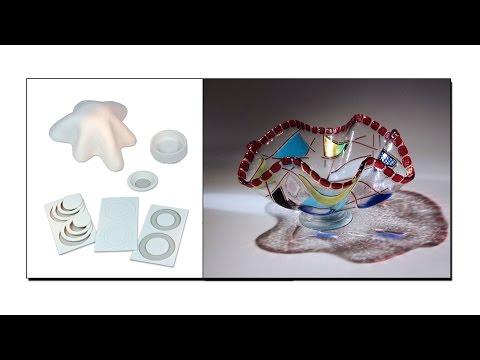
Creating a bowl with a glass foot reminiscent of a blown glass vessel has never been easier. This innovative system allows you to cast a glass foot that is easily paired with the popular Starfire Drape Mold. Draping mold produces a surprisingly large bowl with six gentle waves that ripple around the perimeter.

To get started simply fill the foot mold with your favorite glass scrap or frit and fire according to the supplied firing schedule. Once the foot is cast, use the included fiber rings while firing your drape. Cast foot is approximately 3-1/4" in diameter. Mold Bundle includes Starfire drape mold, foot casting mold, 3 sets of pre-cut fiber rings, and complete instructions. 

Starfire Drape Mold measures 12" x 4" high. Foot casting mold measures 4" in diameter by 1-3/4" deep. Finished bowl and foot when fused together measures 12" in diameter × 7" deep.

Creating a drape bowl is simple:

  • Cut one or 2 glass disks 11″ in diameter then decorate as you wish.
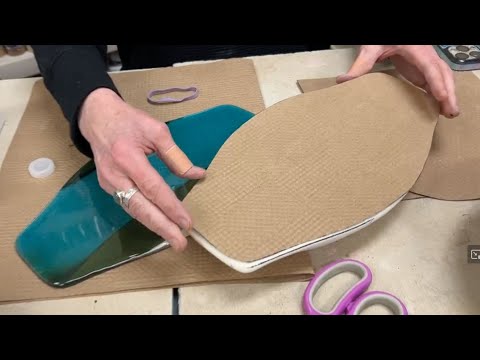
  • Fire the disk first to create a fused flat blank – use the schedule provided in the 12-page color booklet that is included with the mold.
  • Place your pre-fused flat blank on the Starfire draping mold and set the kiln controller to the recommended drape fire schedule to shape the bowl.
Project images courtesy of Wardell Products.
 

Customer Reviews

4 out of 5 stars
5 star  
  0
4 star
  1
3 star
  0
2 star
  0
1 star
  0
See all customer reviews
Write a customer review

Product Images from Customers

Be the first to share product images with other customers
4 out of 5 stars
  •   great shape
By on
Pros : love this mold and all pieces come with it for making the foot. So far works well
Cons : Little pricey but seems worth the money
Was this review helpful to you?  
1 of 3 people found this review helpful

See all customer reviews
Related Content
My commuting jacket is drying over a kitchen chair, and the cat has come down off the workbench to sniff the sleeve with deep suspicion. Fair enough. Theres a stripe of brown grit up the back, the kind wet roads and mashed leaves throw up all autumn.That grit ends up on brakes too. So heres a short pre-winter check for Defiant riders. Im working from general technique and the JupiterBike product listings, not from my own bike.Why autumn chews through brake padsQuick jargon check. On a disc brake, a metal disc called the rotor is fixed to the wheel hub. Two pads squeeze it to slow you down. They sit in a caliper, the clamp that straddles the rotor.Wet roads carry grit and leaf mush onto the rotor. When you brake, that grit gets trapped between pad and rotor and works like sandpaper, so the same commute wears pads faster