Shop By Category
Take 20% OFF Your Order* - Ends Wednesday

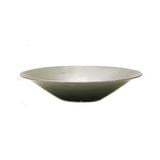
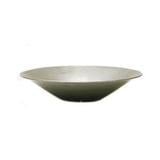
Large Floral Vase Former Mold

Large Floral Vase Former Mold
$32.95 USD
Item# 425720   In Stock

Product Features

  • Create fused glass vases of your own design
  • Made from stainless steel, what the experts recommend
  • 6-1/5" high with a 3-1/2" diameter


Product Description

Fireworks floral vase formers offer specially textured sides so that kiln wash or mold release adheres to the surface easily. Durable stainless steel molds can be reused many times. Measures 6-5/8" high, 3-1/2" diameter.

Experts Recommend Stainless Steel:
"In many ways, stainless steel is the perfect mold material. It is lightweight, difficult to deform, and able to last for a thousand firings or more."
    - Brad Walker, Contemporary Warm Glass

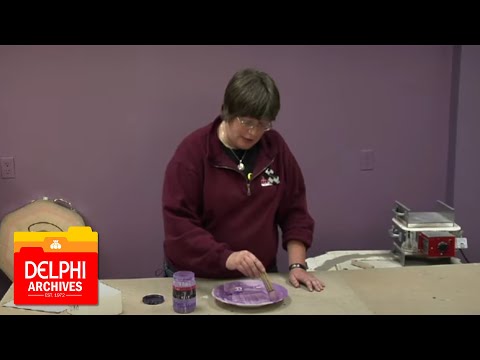
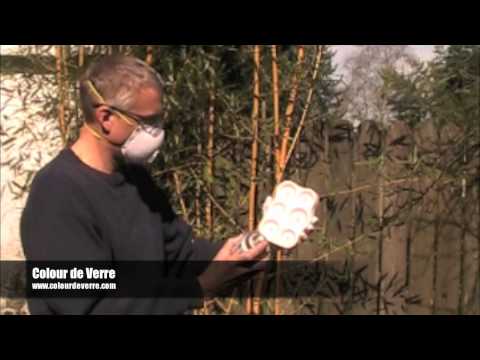
First and second project by artist Lisa Vogt. Third project created by Delphi artist Roy Kapp using stringers. Delphi Tip: Stainless steel molds require release like any other mold. Spray-on primers are fast and easy to apply, or you can use a traditional kiln wash. To use kiln wash, preheat your mold in the oven to 450°F, then apply by brushing on one even coat of wash.


Customers Who Viewed This Item Also Viewed

Customer Reviews

5 out of 5 stars
5 star  
  2
4 star
  0
3 star
  0
2 star
  0
1 star
  0
See all customer reviews
Write a customer review

Product Images from Customers

Be the first to share product images with other customers
5 out of 5 stars
  •   Excellent Mold
By on
Pros : Great for slumping. I slump plates that I’ve found in second-hand shops. Make sure you spray with ZYP coating before use.
Cons :
Was this review helpful to you?  
1 of 1 people found this review helpful
5 out of 5 stars
  •   Great vase maker!
By on
Pros : This was my first time making a vase and it turned out great! I love this slumper since it is so durable and I don't have to worry about dropping it on my studio floor!
Cons : I have found nothing bad about this product at all, its perfect!
Was this review helpful to you?  
9 of 10 people found this review helpful

See all customer reviews
Related Content
Step 1 Cut a piece of glass in any wild shape or size you like. (This piece was just a leftover piece of glass from a stained glass window.) Step 2 Place a drape mold in the kiln. Since the piece of glass may run down to the shelf, it is best to have a piece of Fiber Paper under the mold. (I have used a bisque fired coffee mug for my mold. The glass will melt down around this mold so be sure to pick something were the sides go straight down or flare out, or the glass will break removing it from the mold.) Step 3 Drape a thin piece of Fiber Paper over the drape mold that is about the same size as the piece of glass. Step 4 Fire the glass at cone 017. Step 5 Wash the piece using a soft brush to remove
My commuting jacket is drying over a kitchen chair, and the cat has come down off the workbench to sniff the sleeve with deep suspicion. Fair enough. Theres a stripe of brown grit up the back, the kind wet roads and mashed leaves throw up all autumn.That grit ends up on brakes too. So heres a short pre-winter check for Defiant riders. Im working from general technique and the JupiterBike product listings, not from my own bike.Why autumn chews through brake padsQuick jargon check. On a disc brake, a metal disc called the rotor is fixed to the wheel hub. Two pads squeeze it to slow you down. They sit in a caliper, the clamp that straddles the rotor.Wet roads carry grit and leaf mush onto the rotor. When you brake, that grit gets trapped between pad and rotor and works like sandpaper, so the same commute wears pads faster