Shop By Category
Take 20% OFF Your Order* - Ends Wednesday

Joy Of Fusing

Joy Of Fusing
$24.95 USD
Only 5 left in stock - order soon.
Item# 6187   In Stock

  • The Joy of Fusing provides every fundamental technique that beginning fusers need, while experienced artists will discover a few new tricks along the way
  • 27 projects are presented in full color photos with complete instruction and firing schedules demonstrating a range of techniques
  • 95 pages

Product Description

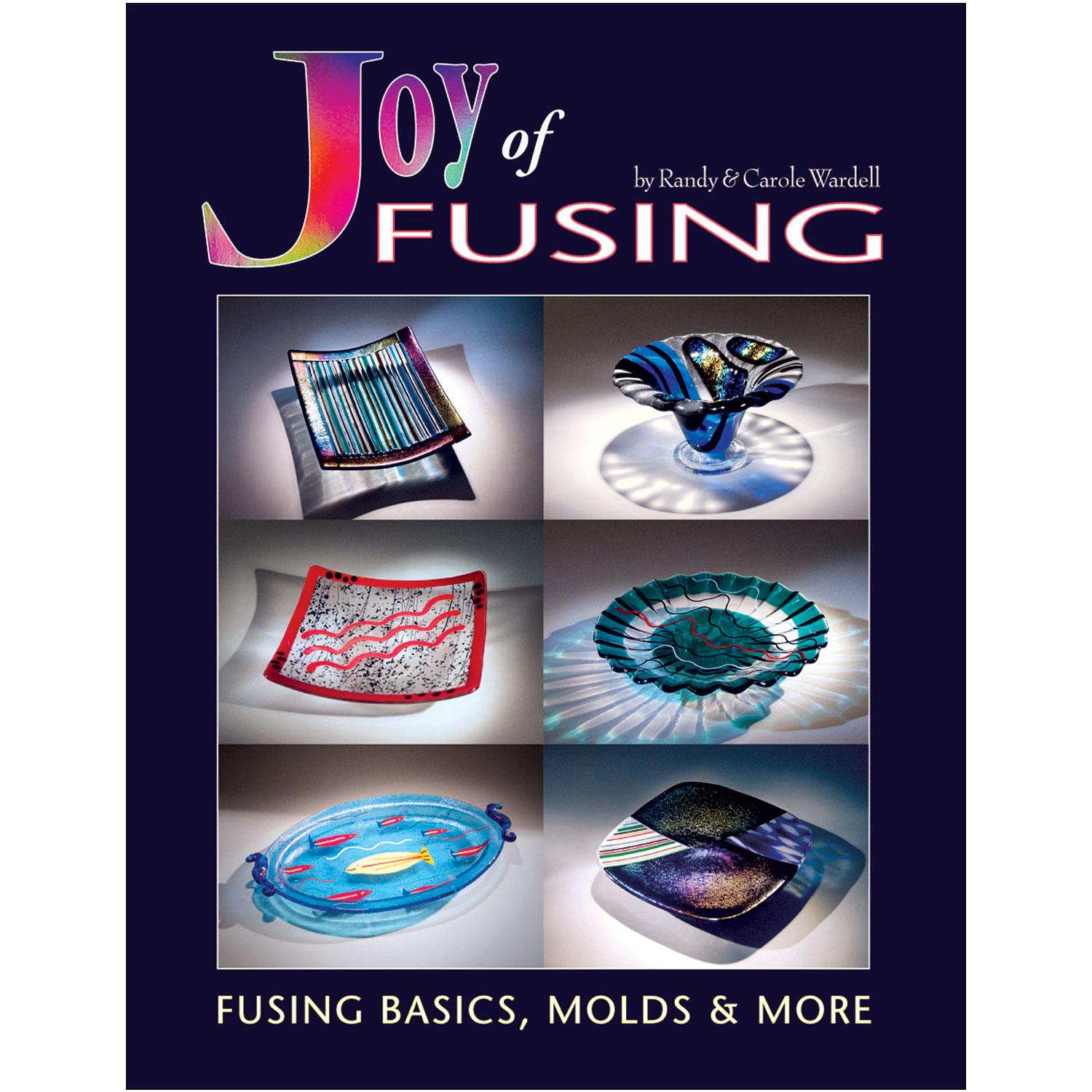
Discover the joy of fusing step-by-step from start to finish. The Joy of Fusing provides every fundamental technique that beginning fusers need, while experienced artists will discover a few new tricks along the way. 27 projects are presented in full color photos with complete instruction and firing schedules demonstrating a range of techniques. 95 pages.

Images from book.

Customer Reviews

5 out of 5 stars
5 star  
  3
4 star
  0
3 star
  0
2 star
  0
1 star
  0
See all 3 customer reviews
Write a customer review

Product Images from Customers

Be the first to share product images with other customers
5 out of 5 stars
  •   My Favorite Fusing Book
By on
Pros : I just love this book. The projects they show are interesting and easy to do. I have gotten so many ideas from this book, it certainly got my creative juices flowing. So many ideas, so little time - lol!
Cons :
Other Thoughts : A definite must have!
Was this review helpful to you?  
3 of 6 people found this review helpful
5 out of 5 stars
  •   Mandatory Reading
By on
Pros : This book is a must-have for every glass artist. I teach glass fusing, and this is the mandatory book for every beginner class. They offer great projects, and not just beginner projects ... and they have some of the most comprehensive firing schedules you will find anywhere!
Cons : A must have!
Was this review helpful to you?  
5 of 8 people found this review helpful
5 out of 5 stars
  •   Joy of Fusing
By on
Pros : Great book. I thought this book had a lot of detailed instructions, pictures and tips. Has a variety of projects and covers the different types of fusing technique and mold styles. I have a few other books, but this became my favorite just browsing through it. There are a variety of projects and I found myself thinking of new projects as I was reading. This book has firing schedules and a project template. I love this book.
Cons : None
Other Thoughts : This would be a great addition to any library.
Was this review helpful to you?  
4 of 6 people found this review helpful

See all 3 customer reviews
Related Content
My commuting jacket is drying over a kitchen chair, and the cat has come down off the workbench to sniff the sleeve with deep suspicion. Fair enough. Theres a stripe of brown grit up the back, the kind wet roads and mashed leaves throw up all autumn.That grit ends up on brakes too. So heres a short pre-winter check for Defiant riders. Im working from general technique and the JupiterBike product listings, not from my own bike.Why autumn chews through brake padsQuick jargon check. On a disc brake, a metal disc called the rotor is fixed to the wheel hub. Two pads squeeze it to slow you down. They sit in a caliper, the clamp that straddles the rotor.Wet roads carry grit and leaf mush onto the rotor. When you brake, that grit gets trapped between pad and rotor and works like sandpaper, so the same commute wears pads faster