Shop By Category

Y96 Tangerine Striker Transparent - 96 COE

Y96 Tangerine Striker Transparent - 96 COE by Youghiogheny Glass
Unit Size* Price Qty 
small 6" x 6" $14.45 USD
medium 12" x 12"
$45.75
sale $31.95
large 18" x 24"
$136.95
sale $92.95

Item# Y50996   In Stock

Product Features

  • Striker color develops to a rich hue during firing
  • Premium Youghiogheny glass
  • Tested compatible - 96 COE

Product Description

You'll love creating fused art with Youghiogheny (pronounced Yock-uh-gain-ee) Y-96 Fusible Glass. This line of 96 COE compatible glass is sure to be a crowd pleaser with a palette of robust opal and transparent colors. Y-96 Glass is tested using a dilatometer and fusing tests are examined with a polariscope to ensure our product meets the set standard.

This glass fires to a consistent tangerine orange transparent color. Striker glass matures upon firing. Colors may vary, depending on firing schedule, rate, atmosphere, and heatwork. For color-sensitive projects, test before use. 96 COE.

Delphi Tip: Clean Y-96 glass thoroughly with a non-ammonia glass cleaner before firing to get a smooth, gloss finish in your fired art. Cap with clear for an extra glossy finish.

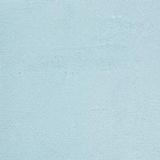
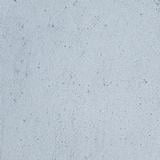
Main image shows the glass fired and the second image is unfired. Additional images include a sample fired alone and fired on clear. Also shown is an assortment of the transparent colors and opaque and transparent colors available in the Y-96 glass line.

Finished project made using stainless steel reversible molds by artist Val Oswalt-De Waard.
 

Full Fuse
Segment Rate Temperature Hold/Minutes
1 300°F/hr 1000°F 10
2 300°F/hr 1250°F 20
3 300°F/hr 1425°F 15
4 Full (9999) 950°F 60
5 200°F/hr 800°F 10
6 300°F/hr 150°F  
Tack Fuse
Segment Rate Temperature Hold/Minutes
1 300°F/hr 1000°F 10
2 300°F/hr 1250°F 20
3 300°F/hr 1350°F 10
4 Full (9999) 950°F 60
5 200°F/hr 800°F 10
6 300°F/hr 150°F  
Slump Fuse
Segment Rate Temperature Hold/Minutes
1 300°F/hr 1000°F 30
2 200°F/hr 1225°F 10
3 Full (9999) 950°F 60
4 200°F/hr 800°F 10
5 300°F/hr 150°F  


Photo above is a general representation of glass colors. Colors may vary. Sizes are approximate.

Customers Who Viewed This Item Also Viewed

item: Y3896
item: Y4596
item: Y4696
item: Y6796
item: Y6896
item: Y7896
item: Y90396
Y96 Merlot Transparent - 96 COE
Starting at $14.45

Customer Reviews

5 out of 5 stars
5 star  
  1
4 star
  0
3 star
  0
2 star
  0
1 star
  0
See all customer reviews
Write a customer review

Product Images from Customers

Be the first to share product images with other customers
5 out of 5 stars
  •   Almost juicy
By on
Pros : Haha I like this color. Really nice glass.
Cons :
Was this review helpful to you?  

See all customer reviews
Related Content
My commuting jacket is drying over a kitchen chair, and the cat has come down off the workbench to sniff the sleeve with deep suspicion. Fair enough. Theres a stripe of brown grit up the back, the kind wet roads and mashed leaves throw up all autumn.That grit ends up on brakes too. So heres a short pre-winter check for Defiant riders. Im working from general technique and the JupiterBike product listings, not from my own bike.Why autumn chews through brake padsQuick jargon check. On a disc brake, a metal disc called the rotor is fixed to the wheel hub. Two pads squeeze it to slow you down. They sit in a caliper, the clamp that straddles the rotor.Wet roads carry grit and leaf mush onto the rotor. When you brake, that grit gets trapped between pad and rotor and works like sandpaper, so the same commute wears pads faster