Shop By Category
Take 20% OFF Your Order* - Ends Wednesday

Offset Teardrop Pendants Mold

Offset Teardrop Pendants Mold by Colour de Verre
$49.95 USD
Only 5 left in stock - order soon.
Item# 77909   In Stock

Product Features

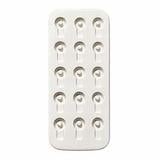
  • Fuse 6 pendants at once - two 7/8", two 1-1/8", two 1-3/8"
  • Made from high quality ceramic for many firings
  • Free tips & techniques sheet to help you get started!


Product Description

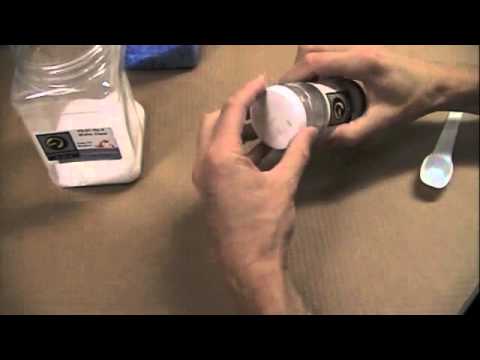
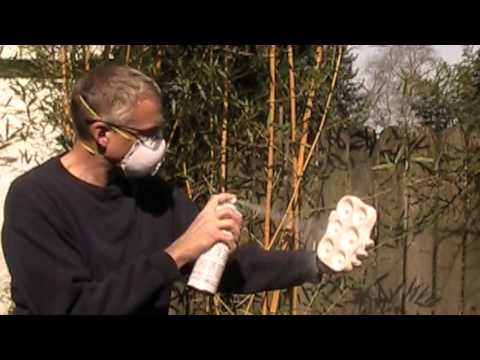
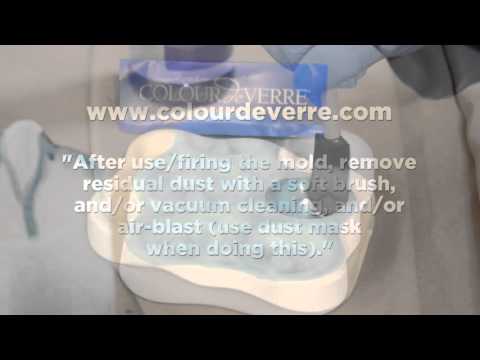
Form unique glass jewelry, using Colour de Verre's Offset Teardrop Pendants Mold. Perfect as a focal point to any necklace, these pendants are sure to be attention getters. Coat molds with ZYP or casting mold primer before use. Mold creates 6 pendants in 3 sizes: two 7/8", two 1-1/8", and two 1-3/8". Mold measures 6-3/4" x 5" x 1". See size perspective of mold with quarter and dime images shown.

Click below to download a free, helpful technique sheet.

Download Free Project Guide

Images courtesy of Colour de Verre.

Creating cast glass jewelry is a rewarding (and giftable) project. These molds make it easy to create professional-quality pendants in a single firing. Follow these simple tips for best results.

Preparing Your Mold
Always prime molds so glass releases cleanly.
Recommended options:

  • ZYP Lubricoat (Aerosol): Easy application and removal; produces smooth surfaces.
  • Casting Primer: Brush-on option; affordable and widely available (requires more cleanup).
Filling the Mold:
  • Add a base layer of medium clear frit.
  • Sprinkle fine clear frit to level.
  • Arrange murrini with tweezers.
  • Lightly sprinkle fine clear frit to stabilize, leaving murrini visible.
  • Fire using the recommended pendant schedule.
Creative Tips:
  • Flip and refire pendants if the back looks better than the front.
  • Combine transparent and opal frits for added depth.
  • Experiment with different mold shapes for variety.


Customer Reviews

5 out of 5 stars
5 star  
  2
4 star
  0
3 star
  0
2 star
  0
1 star
  0
See all customer reviews
Write a customer review

Product Images from Customers

Be the first to share product images with other customers
5 out of 5 stars
  •   Perfect size
By on
Pros : Nice assortment of sizes
Cons : none
Was this review helpful to you?  
2 of 4 people found this review helpful
5 out of 5 stars
  •   Nice mold
By on
Pros : 3 sizes. Modern design. No problem getting pieces out with proper kiln wah
Cons : you will need a small grinding bit on a hand held Dremel type tool to clean up hole if needed.
Was this review helpful to you?  
2 of 6 people found this review helpful

See all customer reviews
Related Content
My commuting jacket is drying over a kitchen chair, and the cat has come down off the workbench to sniff the sleeve with deep suspicion. Fair enough. Theres a stripe of brown grit up the back, the kind wet roads and mashed leaves throw up all autumn.That grit ends up on brakes too. So heres a short pre-winter check for Defiant riders. Im working from general technique and the JupiterBike product listings, not from my own bike.Why autumn chews through brake padsQuick jargon check. On a disc brake, a metal disc called the rotor is fixed to the wheel hub. Two pads squeeze it to slow you down. They sit in a caliper, the clamp that straddles the rotor.Wet roads carry grit and leaf mush onto the rotor. When you brake, that grit gets trapped between pad and rotor and works like sandpaper, so the same commute wears pads faster