Shop By Category
Take Up to $150 OFF Your Order - Get Your Coupon

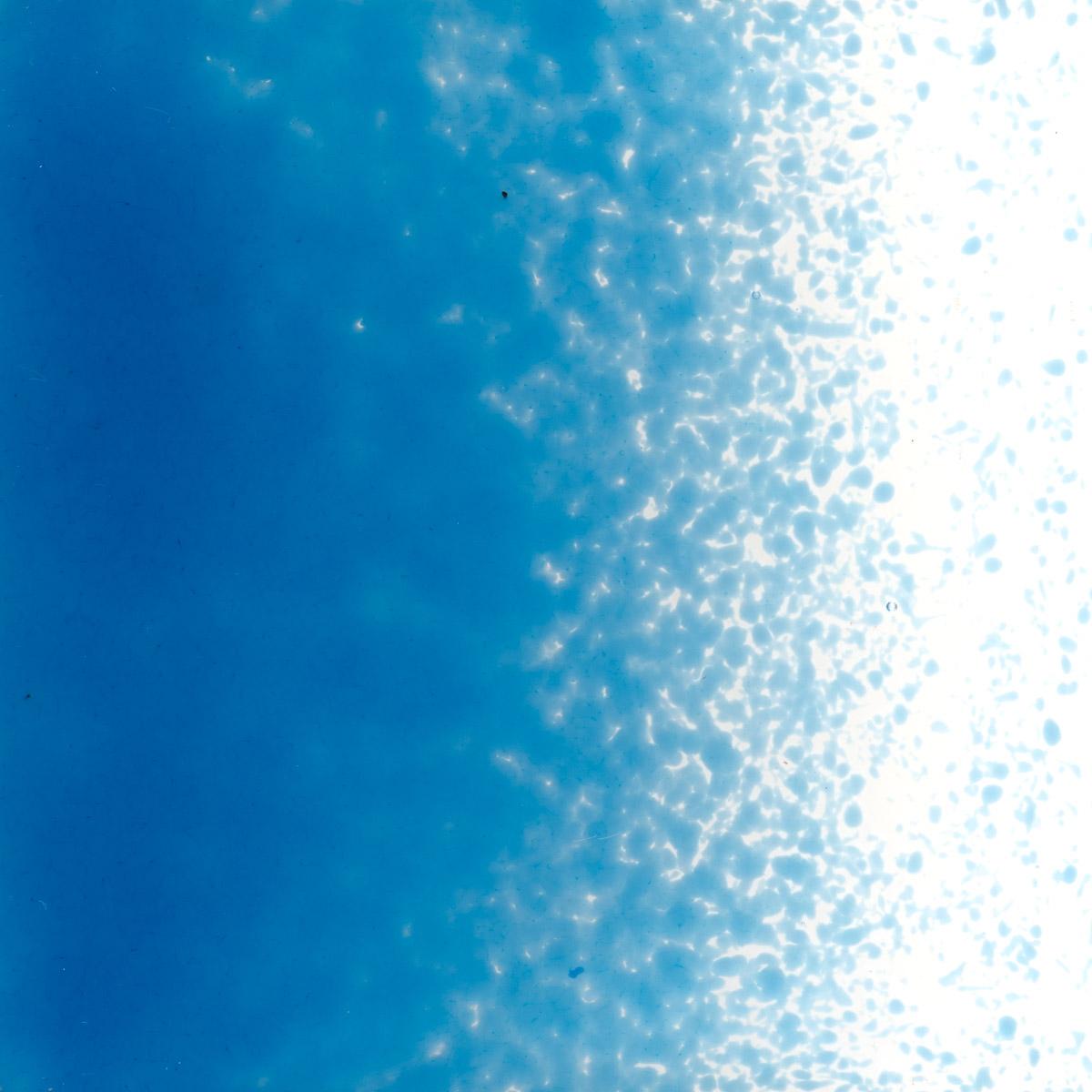
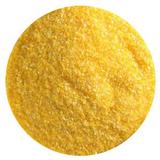
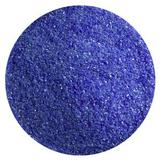
5 Oz Egyptian Blue Opal Fine Frit - 90 COE

5 Oz Egyptian Blue Opal Fine Frit - 90 COE by Bullseye Glass Co.
$11.95 USD
Item# B016481   In Stock

Product Features

  • From creating fused pictures in glass to cast glass jewelry - frit is a staple for any fusing artist!
  • Convenient jars keep your frit under control and your work area tidy
  • 5 oz jars - 90 COE


Product Description

Try a Little - Top Quality Glass Frit in Small, Convenient Bottles
Bullseye frits are made from crushed, screened and magnetically cleaned Bullseye Fusible sheet glass. Use glass frit for your pate de verre and glass casting projects, or add pizazz to your fusing and kiln-formed glass jewelry. 5 oz jars. Tested compatible 90 COE. Glass is opaque.

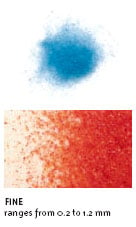
Color may become more saturated during firing. Additional images show an example of how Bullseye frit looks after firing as well as a swatch for post fire color.

Customer Reviews

5 out of 5 stars
5 star  
  1
4 star
  0
3 star
  0
2 star
  0
1 star
  0
See all customer reviews
Write a customer review

Product Images from Customers

Be the first to share product images with other customers
5 out of 5 stars
  •  
By on
Pros :
Cons :
Was this review helpful to you?  

See all customer reviews
Related Content
My commuting jacket is drying over a kitchen chair, and the cat has come down off the workbench to sniff the sleeve with deep suspicion. Fair enough. Theres a stripe of brown grit up the back, the kind wet roads and mashed leaves throw up all autumn.That grit ends up on brakes too. So heres a short pre-winter check for Defiant riders. Im working from general technique and the JupiterBike product listings, not from my own bike.Why autumn chews through brake padsQuick jargon check. On a disc brake, a metal disc called the rotor is fixed to the wheel hub. Two pads squeeze it to slow you down. They sit in a caliper, the clamp that straddles the rotor.Wet roads carry grit and leaf mush onto the rotor. When you brake, that grit gets trapped between pad and rotor and works like sandpaper, so the same commute wears pads faster