Shop By Category
Take 20% OFF Your Order* - Ends Wednesday

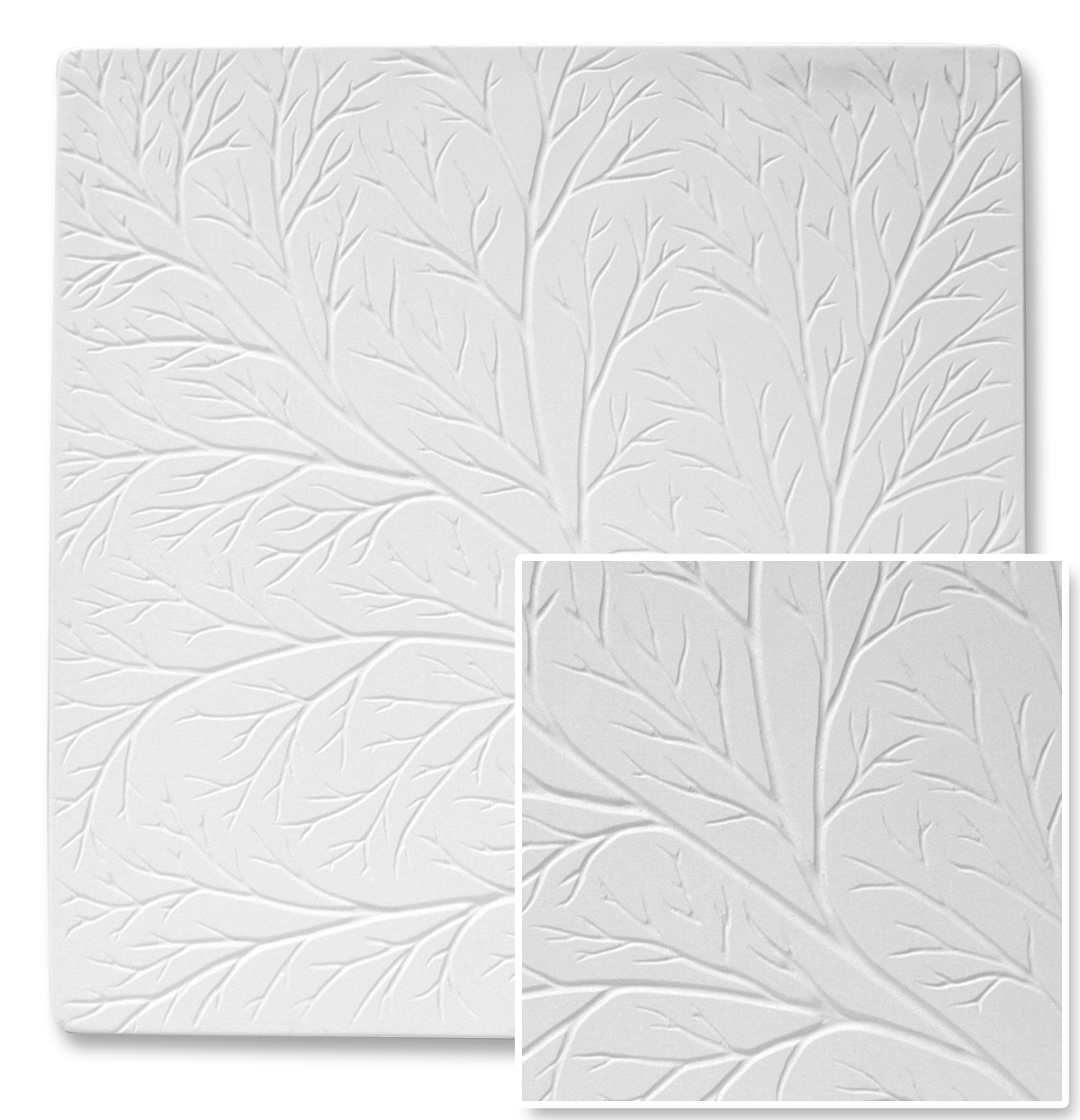
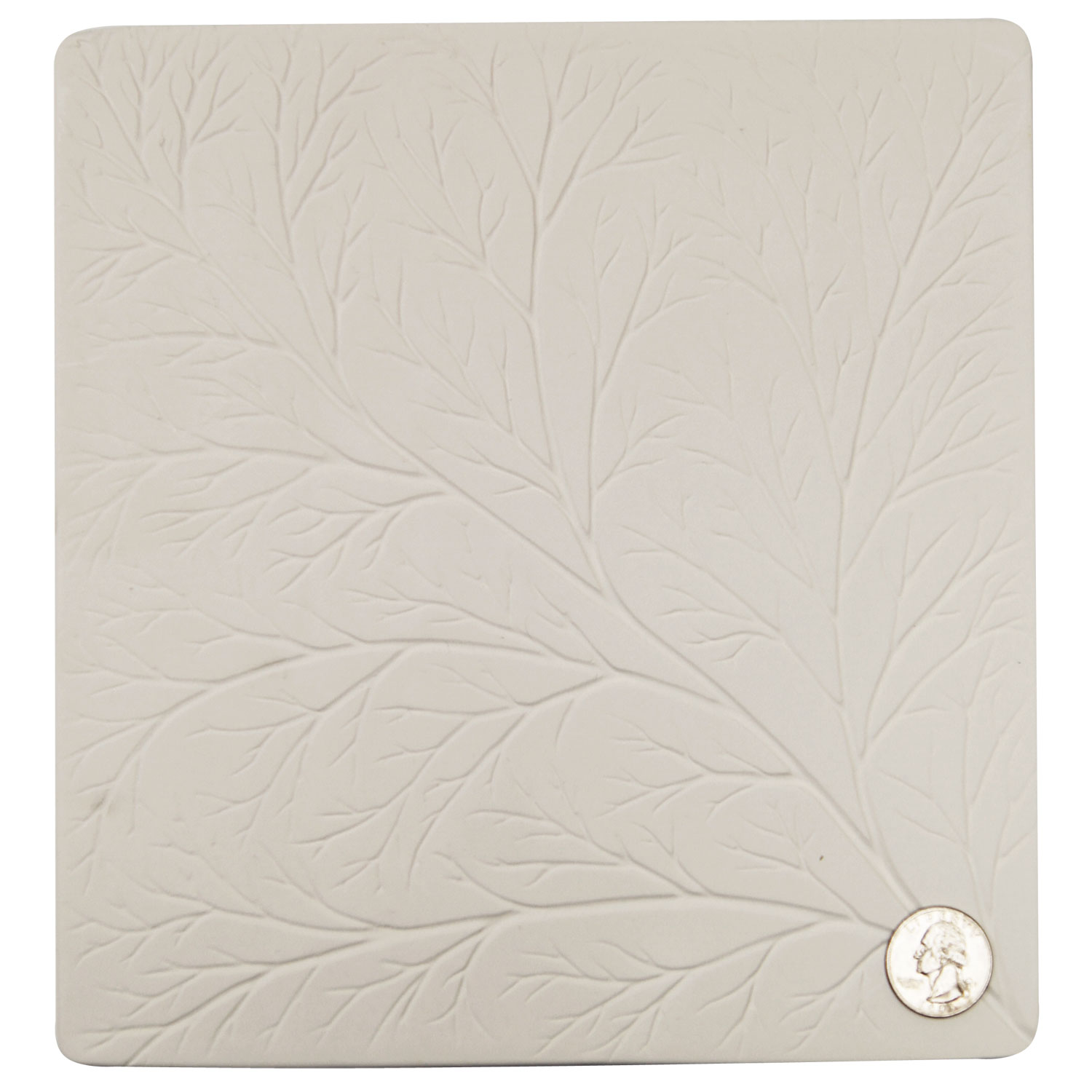
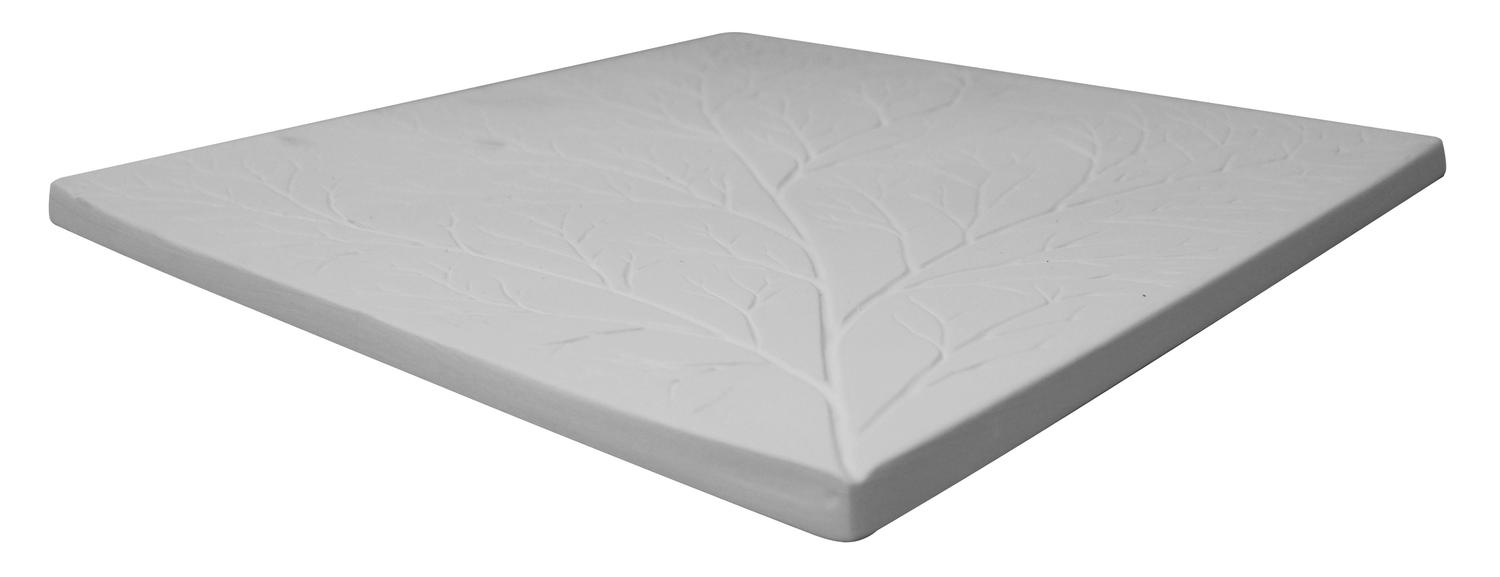
Net Leaf Vein Texture Tile Mold

Net Leaf Vein Texture Tile Mold by Creative Paradise
$31.95 USD
We're sorry, discount coupons do not apply to this item.
Item# 806129  
Item ships within approximately 7 weeks.
Special Order Item: This is a non-stock item ordered specially for you. Approximate shipment date is subject to change based on manufacturer availability. There are no cancellations on orders once they are placed and this item is non-returnable.

Product Features

  • Create a lasting impression and give your glass art dimension
  • Durable ceramic texture mold is easy to use and can be fired multiple times
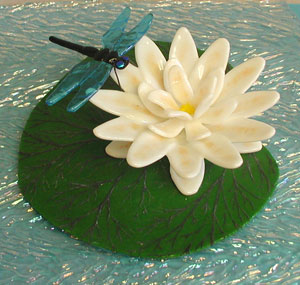
  • Once textured, the glass can be slumped to create lovely vessels or displayed flat as panels or suncatchers
  • Use to create realistic leaves
  • Fun project idea: use to imprint bottles
  • Mold measures 8-3/4" x 8-3/4" – fits in a 15-6 kiln!


Product Description

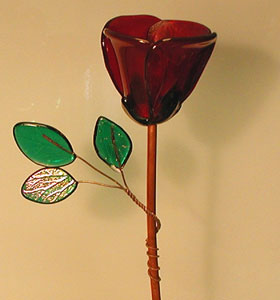
Create beautiful bouquets and show stopping garden accents! Net Leaf Vein Mold forms a lovely leaf pattern on glass when it is fired. Ceramic molds can be fired many times. Must be kiln washed before use. Measures 8-3/4" x 8-3/4".

To add even more depth to your leaves try the following techniques:

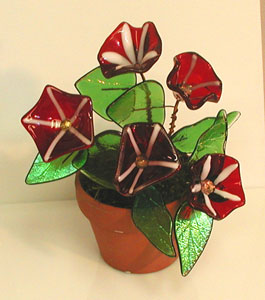
  • Use iridized glass, place the iridized coating side down on the mold (as shown in the first picture below).
  • Sprinkle powdered frit into the veins of the mold (the glass will pick up the frit during the fusing process).
  • Or as an additional firing, use glass paint to add contrast. You can even add a splash of glitz with Gold Firing Pen #5175G.
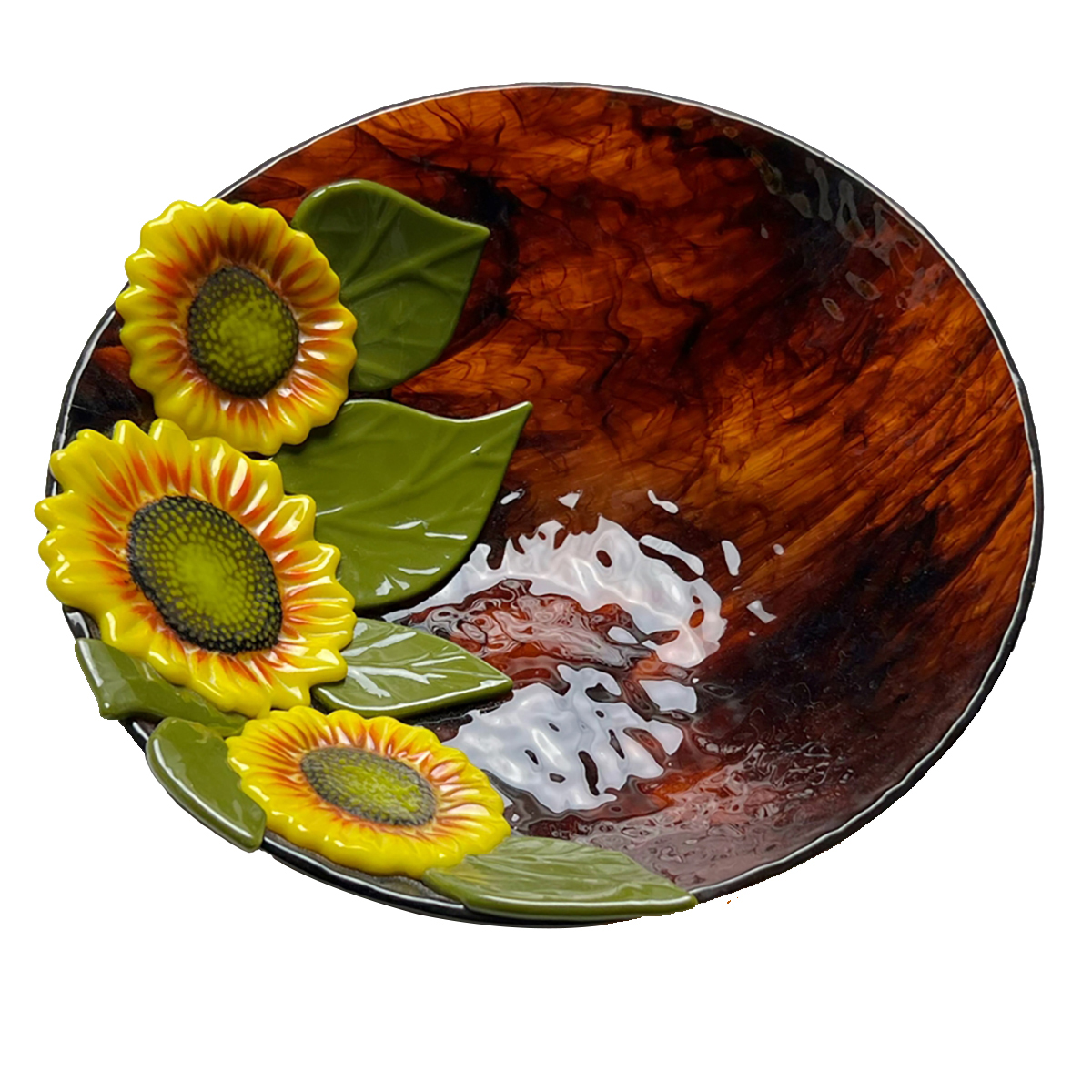
For tips on getting the most out of your texture molds and for firing schedules view "Creating with Texture Molds" project guide shown with additional images.

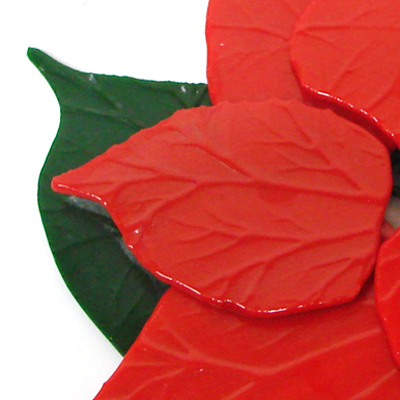
Project images courtesy of Creative Paradise. Last image is a close up of texture you can achieve with the Net Leaf Vein Mold.

Customer Reviews

5 out of 5 stars
5 star  
  1
4 star
  0
3 star
  0
2 star
  0
1 star
  0
See all customer reviews
Write a customer review

Product Images from Customers

Be the first to share product images with other customers
5 out of 5 stars
  •   great
By on
Pros : This mold gives a very deep and detailed impression in the glass. You can flip and fill the main stem and veins with powered glass for even more detail
Cons : It would have been nice to have some undulation for more natural looking leaves with having to slump into shape in a second firing
Was this review helpful to you?  
2 of 5 people found this review helpful

See all customer reviews
Related Content
My commuting jacket is drying over a kitchen chair, and the cat has come down off the workbench to sniff the sleeve with deep suspicion. Fair enough. Theres a stripe of brown grit up the back, the kind wet roads and mashed leaves throw up all autumn.That grit ends up on brakes too. So heres a short pre-winter check for Defiant riders. Im working from general technique and the JupiterBike product listings, not from my own bike.Why autumn chews through brake padsQuick jargon check. On a disc brake, a metal disc called the rotor is fixed to the wheel hub. Two pads squeeze it to slow you down. They sit in a caliper, the clamp that straddles the rotor.Wet roads carry grit and leaf mush onto the rotor. When you brake, that grit gets trapped between pad and rotor and works like sandpaper, so the same commute wears pads faster

Your Recent History