Shop By Category
Take 20% OFF Your Order* - Ends Today

10" x 10" Square Patty Gray Dam Mold

10" x 10" Square Patty Gray Dam Mold
$99.95 USD
Only 2 left in stock - order soon.
Item# 80972   In Stock

Product Features

  • Designed by world renowned artist Patty Gray!
  • Made from high quality ceramic for many firings
  • Finished casting measures 10" x 10"


Product Description

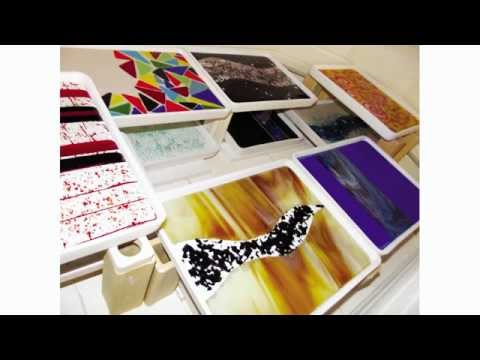
Internationally renowned glass artist Patty Gray has partnered with Creative Paradise to bring you this Dam Mold to expand your creative boundaries. Create incredible glass slabs and custom tiles that are thick, consistent, and have perfectly rounded corners; no need for coldworking. In addition, this portable mold means no more bending over your kiln assembling a dam on your kiln floor and positioning glass – you can do it all comfortably at your workbench and load it into your kiln with ease. Use the finished slabs as designer tiles, for roll-ups, drop rings, thick bowls or to cut fantastic pattern bars.

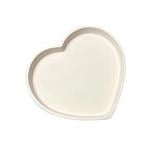
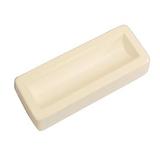
Mold measures 10-3/4" x 10-3/4" x 1/2" deep and creates a 10" x 10" castings. Mold must be elevated on kiln posts during firing; kiln posts sold separately. See size perspective of mold with quarter images shown. High quality ceramic mold can be fired many times. Coat with a casting primer before use.

Follow the links below to download this Free Project Guide and User Manual

Free Project Guide
User Manual

Customer Reviews

5 out of 5 stars
5 star  
  2
4 star
  0
3 star
  0
2 star
  0
1 star
  0
See all customer reviews
Write a customer review

Product Images from Customers

Be the first to share product images with other customers
5 out of 5 stars
  •   Dam Good
By on
Pros : Very durable. Even a rookie like me can make a great project. Check out their tips!
Cons :
Other Thoughts : So many unique patterns ... only limited by your imagination.
Was this review helpful to you?  
1 of 1 people found this review helpful
5 out of 5 stars
  •   Actually works!
By on
Pros : Produces pieces which need only minimal cold-work. Fast lay-up.
Cons : REALLY pricey. Not sure the recommended shelf paper is needed, don't care for the texture it adds.
Other Thoughts : On-edge, or pattern work where glass doesn't quite meet the edge, will still involve cold-work to get crisp edges but it's quicker than the standard layup.
Was this review helpful to you?  
3 of 5 people found this review helpful

See all customer reviews
Related Content
My commuting jacket is drying over a kitchen chair, and the cat has come down off the workbench to sniff the sleeve with deep suspicion. Fair enough. Theres a stripe of brown grit up the back, the kind wet roads and mashed leaves throw up all autumn.That grit ends up on brakes too. So heres a short pre-winter check for Defiant riders. Im working from general technique and the JupiterBike product listings, not from my own bike.Why autumn chews through brake padsQuick jargon check. On a disc brake, a metal disc called the rotor is fixed to the wheel hub. Two pads squeeze it to slow you down. They sit in a caliper, the clamp that straddles the rotor.Wet roads carry grit and leaf mush onto the rotor. When you brake, that grit gets trapped between pad and rotor and works like sandpaper, so the same commute wears pads faster