Shop By Category
LAST DAY - Save Up to $1,100 on Kilns

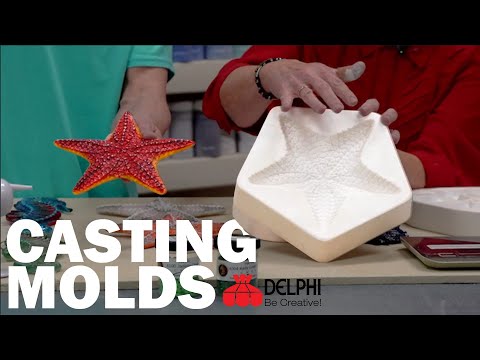
Barnstar Casting Mold

Barnstar Casting Mold
$36.95 USD
We're sorry, discount coupons do not apply to this item.
Item# 62845  
Item ships within approximately 4 weeks.
Special Order Item: This is a non-stock item ordered specially for you. Approximate shipment date is subject to change based on manufacturer availability. There are no cancellations on orders once they are placed and this item is non-returnable.

Product Features

  • Durable ceramic mold can be used over and over
  • Create stylish personalized stars - great for home decor
  • Mold measures 9-3/4" x 9-3/4" x 1-1/2" deep


Product Description

Barn stars are a beloved piece of Americana with history stretching back to the 18th century. Popularized by the Pennsylvania Dutch, Amish and Mennonite communities, barn stars originated as a signature denoting the barn builder. As the design became popularized the exact design evolved and developed new meaning. Barn stars remain a popular emblem today appearing on barns and in home decor.
Fill the mold with glass frit and scrap glass to create your cast glass star. For a modern touch consider adding dichroic, iridescent or other brilliant finishes. For a traditional finish consider creating a single-color casting. Colors often were associated with different meanings:
Black - Protection
Blue - Peace
Brown - Strength or Friendship
Green - Growth
Orange - Abundance
White - Purity
Kiln wash before use. Mold measures 9-3/4" x 9-3/4" x 1-1/2" deep.

Customers Who Viewed This Item Also Viewed

Customer Reviews

5 out of 5 stars
5 star  
  1
4 star
  0
3 star
  0
2 star
  0
1 star
  0
See all customer reviews
Write a customer review

Product Images from Customers

Be the first to share product images with other customers
5 out of 5 stars
  •   Starring. . .
By on
Pros : Lovely mold. Love the size and effect.
Cons : None
Was this review helpful to you?  
2 of 2 people found this review helpful

See all customer reviews
Related Content
My commuting jacket is drying over a kitchen chair, and the cat has come down off the workbench to sniff the sleeve with deep suspicion. Fair enough. Theres a stripe of brown grit up the back, the kind wet roads and mashed leaves throw up all autumn.That grit ends up on brakes too. So heres a short pre-winter check for Defiant riders. Im working from general technique and the JupiterBike product listings, not from my own bike.Why autumn chews through brake padsQuick jargon check. On a disc brake, a metal disc called the rotor is fixed to the wheel hub. Two pads squeeze it to slow you down. They sit in a caliper, the clamp that straddles the rotor.Wet roads carry grit and leaf mush onto the rotor. When you brake, that grit gets trapped between pad and rotor and works like sandpaper, so the same commute wears pads faster