Shop By Category
Take 20% OFF Your Order* - Ends Wednesday

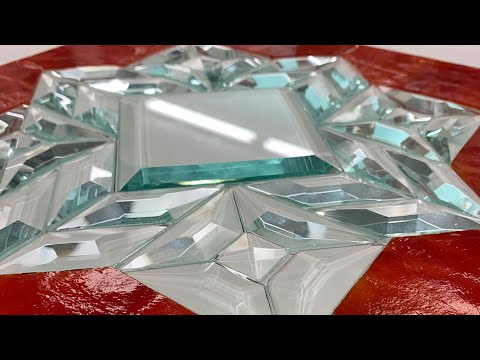
Celtic Circle Bevel Cluster

Celtic Circle Bevel Cluster
$32.95 USD
Item# 443822   In Stock

Product Features

  • Traditional Celtic design
  • When assembled 6" circle - 9 pieces
  • Hand crafted bevel cluster


Product Description

Grace your home with the beauty of traditional Celtic art based on designs from Ireland. Clear Celtic bevel cluster is 6" inches in diameter. Looks great on its own or incorporate it into a panel. 9 pieces total.

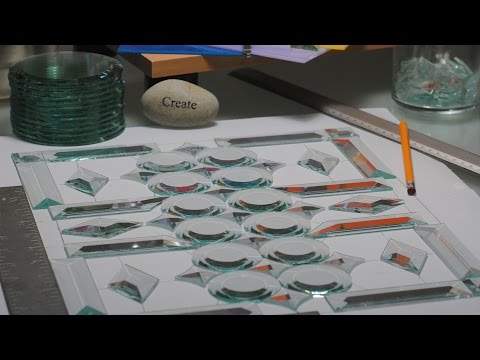
Delphi Tip: Always lay out bevel clusters on pattern before cutting glass to adjust for small differences. Expect your bevel cluster to "grow" approximately 3/16" overall, the amount is determined by assembly method.

Customer Reviews

5 out of 5 stars
5 star  
  4
4 star
  0
3 star
  0
2 star
  0
1 star
  0
See all 4 customer reviews
Write a customer review

Product Images from Customers

Be the first to share product images with other customers
5 out of 5 stars
  •   Bevels
By on
Pros : Very pretty. The diagram makes it easy to make the design.
Cons :
Was this review helpful to you?  
3 of 5 people found this review helpful
5 out of 5 stars
  •   Good Cluster
By on
Pros : Matches up nicely
Cons : none
Was this review helpful to you?  
3 of 5 people found this review helpful
5 out of 5 stars
  •   Stunning Bevel
By on
Pros : This is a really pretty bevel cluster that fit together well. With very little additional glass cutting it made a beautiful panel for a wedding present.
Cons : Absolutely none!
Other Thoughts : Celtic knots are very popular. They also make lovely wedding gifts ...research celtic knots for meaning and you'll see what I mean. I made a little card to go with the panel that explained how the knot relates to marriage. It was a sweet gift.
Was this review helpful to you?  
4 of 7 people found this review helpful

See all 4 customer reviews
Related Content
My commuting jacket is drying over a kitchen chair, and the cat has come down off the workbench to sniff the sleeve with deep suspicion. Fair enough. Theres a stripe of brown grit up the back, the kind wet roads and mashed leaves throw up all autumn.That grit ends up on brakes too. So heres a short pre-winter check for Defiant riders. Im working from general technique and the JupiterBike product listings, not from my own bike.Why autumn chews through brake padsQuick jargon check. On a disc brake, a metal disc called the rotor is fixed to the wheel hub. Two pads squeeze it to slow you down. They sit in a caliper, the clamp that straddles the rotor.Wet roads carry grit and leaf mush onto the rotor. When you brake, that grit gets trapped between pad and rotor and works like sandpaper, so the same commute wears pads faster

You may also like