Shop By Category

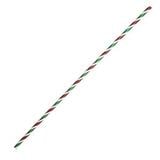
Red And White Glass Candy Cane Rod - 90 COE

Red And White Glass Candy Cane Rod - 90 COE by Glacial Art Glass
$14.95 USD
Item# 96421   In Stock

  • Red-and-white cane mimics the look of classic candy canes - perfect for holiday projects
  • Hand-pulled cane is an easy way to add detail to your art
  • Each hand-pulled 12" cane is 4 - 7 mm in diameter
  • Made from premium Bullseye Fusible glass
  • 90 COE

Product Description

Quick Holiday Ornaments and Gifts
Detailed red-and-white-striped rods look just like candy canes! Rods are made from premium Bullseye fusible glass. Use them to create festive borders and accents in fused projects, or heat in a flame and bend into the classic peppermint stick shape! Rods measure 12" long. Sold individually. 90 COE.

Even after being taken to a full fuse, the pattern doesn't distort! See example in additional images.

Customer Reviews

5 out of 5 stars
5 star  
  1
4 star
  0
3 star
  0
2 star
  0
1 star
  0
See all customer reviews
Write a customer review

Product Images from Customers

Be the first to share product images with other customers
5 out of 5 stars
  •   Speaks Christmas!
By on
Pros : Love the color! Works great for my chunky Christmas ornaments!
Cons : None
Other Thoughts : Wish it came in a larger diameter.
Was this review helpful to you?  

See all customer reviews
Related Content
My commuting jacket is drying over a kitchen chair, and the cat has come down off the workbench to sniff the sleeve with deep suspicion. Fair enough. Theres a stripe of brown grit up the back, the kind wet roads and mashed leaves throw up all autumn.That grit ends up on brakes too. So heres a short pre-winter check for Defiant riders. Im working from general technique and the JupiterBike product listings, not from my own bike.Why autumn chews through brake padsQuick jargon check. On a disc brake, a metal disc called the rotor is fixed to the wheel hub. Two pads squeeze it to slow you down. They sit in a caliper, the clamp that straddles the rotor.Wet roads carry grit and leaf mush onto the rotor. When you brake, that grit gets trapped between pad and rotor and works like sandpaper, so the same commute wears pads faster