Shop By Category

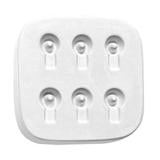
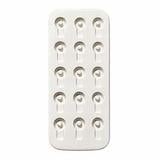
Polar Fuse Molds Mega Assortment - 12 Pack

Polar Fuse Molds Mega Assortment - 12 Pack
$39.95 USD
Only 10 left in stock - order soon.
Item# 42560PK   In Stock

Product Features

  • Includes 3 sets for a total of 12 molds: Steampunk, Travel and Spiritual
  • Spiritual Molds: creates 7 designs including assorted crosses, angel wings, and more.
  • Travel Molds: 11 designs including a train, suitcases, planes, compass, anchor and more.
  • Steampunk Molds: 13 designs include a lock and keys, angel wings, wheels and cogs.

Product Description

Mega Assortment of 12 reusable silicone molds feature multiple designs. Use with glass powders to form glass into 3-D sculptures for fusing. Glass castings can be fired in the microwave kiln. Get the complete collection of Polar Fuse molds at fantastic savings - a total of 31 designs on 12 molds! Silicone molds 2-1/2" each.

To create cast glass designs: Simply mix frit with water, freeze then remove from mold and fire in your microwave or regular kiln to create one-of-a-kind 3D art work.

Silicone molds are for forming glass powder prior to fusing. They are not heat-resistant. Do not use inside any type of kiln. Step by step images courtesy of Diamond Tech, shown using the Groovy Pendants Polar Fuse mold.
 

1. Mix frit color
 
3. Freeze
4. Release by gently flexing the mold
5. Fuse
6. Finished! Enjoy your project alone or add it as an accent in fused or mosaic art.

Customer Reviews

5 out of 5 stars
5 star  
  1
4 star
  0
3 star
  0
2 star
  0
1 star
  0
See all customer reviews
Write a customer review

Product Images from Customers

Be the first to share product images with other customers
5 out of 5 stars
  •   Love it.
By on
Pros : This is just a neat idea and makes a great gift and a bowl. A must buy.
Cons :
Was this review helpful to you?  
9 of 15 people found this review helpful

See all customer reviews
Related Content
My commuting jacket is drying over a kitchen chair, and the cat has come down off the workbench to sniff the sleeve with deep suspicion. Fair enough. Theres a stripe of brown grit up the back, the kind wet roads and mashed leaves throw up all autumn.That grit ends up on brakes too. So heres a short pre-winter check for Defiant riders. Im working from general technique and the JupiterBike product listings, not from my own bike.Why autumn chews through brake padsQuick jargon check. On a disc brake, a metal disc called the rotor is fixed to the wheel hub. Two pads squeeze it to slow you down. They sit in a caliper, the clamp that straddles the rotor.Wet roads carry grit and leaf mush onto the rotor. When you brake, that grit gets trapped between pad and rotor and works like sandpaper, so the same commute wears pads faster