Shop By Category

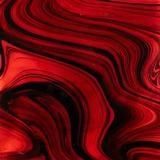
Oceanside Strawberries And Cream Swirl - 96 COE

Oceanside Strawberries And Cream Swirl - 96 COE by Oceanside Compatible
Unit Size* Price Qty 
small 8" x 8" $13.95 USD
medium 12" x 12"
$28.95
sale $22.95
sheet 24" x 24"
$116.95
sale $89.95

Standard shipping requires 'sheet' size to be cut into 2 large pieces
Item# X3551   In Stock

Product Features

  • Semi-opaque glass ideal for stained glass and fusing projects
  • Each piece is unique, capturing different colors and designs
  • Creates an array of new tones and colors when reacting
  • A beautiful blend of white opal and red transparent glass
  • Orange tone strikes more red when fired
  • Tested for fusing - 96 COE

Product Description

Add dramatic swirls to your fused glass art!
Straberries and Cream OpalArt features rich hues of transparent red and white swirled together. Part of the beauty of this semi-opaque glass is the uniqueness of each piece - not only is the swirl pattern different, but the ways the molten colors react with one another to create intriguing new tones is stunning. Image shown is one example of some of the wide range of colors and patterns that may occur in your piece.

This dual-duty product is perfect for stained glass applications and is also fully heat compliant for use by the hot glass artist. 96 COE.

Fused dish courtesy of Spectrum Glass Wavy platter by artist Sonia Smith of Coastal Dichroic from Delphi's Online Artist Gallery, stained glass photo frame by artist Kayleigh Clark. Second to last project image courtesy of System 96. Last project image courtesy of Kim France, from Delphi's Online Artist Gallery. Follow the link below to download a Free Project Guide.

Download Free Project Guide

 

Photo above is a general representation of glass colors. Colors may vary. Sizes are approximate.

Customers Who Viewed This Item Also Viewed

Customer Reviews

5 out of 5 stars
5 star  
  8
4 star
  0
3 star
  0
2 star
  0
1 star
  0
See all 8 customer reviews
Write a customer review

Product Images from Customers

Be the first to share product images with other customers
5 out of 5 stars
  •  
By on
Pros :
Cons :
Was this review helpful to you?  
1 of 2 people found this review helpful
5 out of 5 stars
  •   Candy cane
By on
Pros : Beautiful for peppermint bowls etc
Cons :
Other Thoughts : Great for Christmas
Was this review helpful to you?  
1 of 2 people found this review helpful
5 out of 5 stars
  •  
By on
Pros :
Cons :
Was this review helpful to you?  
2 of 4 people found this review helpful

See all 8 customer reviews
Related Content
My commuting jacket is drying over a kitchen chair, and the cat has come down off the workbench to sniff the sleeve with deep suspicion. Fair enough. Theres a stripe of brown grit up the back, the kind wet roads and mashed leaves throw up all autumn.That grit ends up on brakes too. So heres a short pre-winter check for Defiant riders. Im working from general technique and the JupiterBike product listings, not from my own bike.Why autumn chews through brake padsQuick jargon check. On a disc brake, a metal disc called the rotor is fixed to the wheel hub. Two pads squeeze it to slow you down. They sit in a caliper, the clamp that straddles the rotor.Wet roads carry grit and leaf mush onto the rotor. When you brake, that grit gets trapped between pad and rotor and works like sandpaper, so the same commute wears pads faster