Shop By Category
LAST DAY - Save Up to $1,100 on Kilns

Scarabs And Ankhs Mold

Scarabs And Ankhs Mold by Colour de Verre
$49.95 USD
We're sorry, discount coupons do not apply to this item.
Item# 77865  
Item ships within approximately 4 weeks.
Special Order Item: This is a non-stock item ordered specially for you. Approximate shipment date is subject to change based on manufacturer availability. There are no cancellations on orders once they are placed and this item is non-returnable.


Product Description

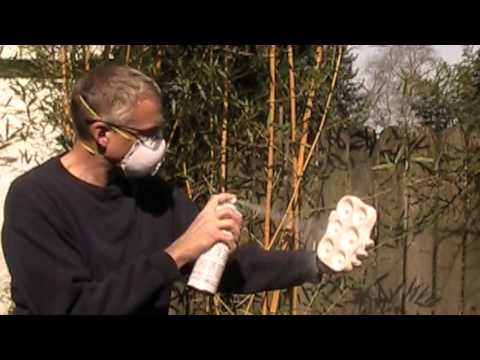
Colour de Verre molds are the simple way to cast glass. Merge the age-old art of pate de verre glass casting with modern technology and contemporary design! Create glass jewelry, stand alone pieces, or incorporate them into larger projects. The open, hollow design promotes even heating and cooling. Molds can be filled with glass frit, powder, or sheet glass.

With Colour de Verre Scarabs and Ankhs, you get two molds in one. The mold's front can create four different ankhs at once! Two small 1.25" ankhs, one 1.75" ankhs, and one large 2.25" ankh. The back offers room for seven different scarabs: four small 1" scarabs, two 1.25" scarabs, and one large 1.5" scarab. Reusable mold. Includes firing directions.

Images courtesy of Colour de Verre.

Customer Reviews

1 out of 5 stars
5 star  
  0
4 star
  0
3 star
  0
2 star
  0
1 star
  1
See all customer reviews
Write a customer review

Product Images from Customers

Be the first to share product images with other customers
1 out of 5 stars
  •   Not good
By on
Pros :
Cons : I do not recommend getting this mold. It’s fine that it appears to be two molds, one on each side, but the one with the beetles have practically no detail in it. I thought maybe it was just an appearance so I tried the mold and I should’ve gone with my first instincts. It is in my opinion, Junk.
Was this review helpful to you?  

See all customer reviews
Related Content
My commuting jacket is drying over a kitchen chair, and the cat has come down off the workbench to sniff the sleeve with deep suspicion. Fair enough. Theres a stripe of brown grit up the back, the kind wet roads and mashed leaves throw up all autumn.That grit ends up on brakes too. So heres a short pre-winter check for Defiant riders. Im working from general technique and the JupiterBike product listings, not from my own bike.Why autumn chews through brake padsQuick jargon check. On a disc brake, a metal disc called the rotor is fixed to the wheel hub. Two pads squeeze it to slow you down. They sit in a caliper, the clamp that straddles the rotor.Wet roads carry grit and leaf mush onto the rotor. When you brake, that grit gets trapped between pad and rotor and works like sandpaper, so the same commute wears pads faster