Shop By Category

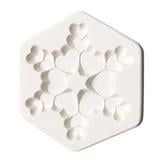
Hanging Holiday Tree And Stocking Casting Mold

Hanging Holiday Tree And Stocking Casting Mold by Colour de Verre
$49.95 USD
Item# 77938   In Stock

  • Create two designs at once!
  • Durable ceramic mold can be used over and over
  • Free project guide makes getting fantastic results easy
  • Mold measures 8" x 5-1/2" by 1-1/4"

Product Description

Form unique holiday glass designs to accentuate your home decor. These hanging tree and stocking are an excellent way to add visual interest to your Christmas tree, windows or make excellent gifts to give this season. Mold produces two designs each measuring 4-1/2" long when finished. Mold measures 8" x 5-1/2" by 1-1/4". The fill weights are approximately 16 to 18 grams. 

Coat molds with ZYP or mold primer before use. Download the free instruction sheet to get details to ensure fantastic results with every firing. 

Delphi Tip: Using Fine or Powder Frit gives the best results for smooth edges.

Images courtesy of Colour de Verre.

Customers Who Viewed This Item Also Viewed

Customer Reviews

5 out of 5 stars
5 star  
  5
4 star
  0
3 star
  0
2 star
  0
1 star
  0
See all 5 customer reviews
Write a customer review

Product Images from Customers

Be the first to share product images with other customers
5 out of 5 stars
  •   Great for simple ornaments
By on
Pros : Great size Turn out perfect if follow fill weight suggestions
Cons : None
Was this review helpful to you?  
5 of 9 people found this review helpful
5 out of 5 stars
  •   Great Seller!
By on
Pros : Popular seller at Christmas! Quick & easy, saves me time!
Cons : None
Other Thoughts : Just so cute! Baby's first Christmas gift seller.
Was this review helpful to you?  
7 of 12 people found this review helpful
5 out of 5 stars
  •  
By on
Pros :
Cons :
Was this review helpful to you?  
7 of 14 people found this review helpful

See all 5 customer reviews
Related Content
My commuting jacket is drying over a kitchen chair, and the cat has come down off the workbench to sniff the sleeve with deep suspicion. Fair enough. Theres a stripe of brown grit up the back, the kind wet roads and mashed leaves throw up all autumn.That grit ends up on brakes too. So heres a short pre-winter check for Defiant riders. Im working from general technique and the JupiterBike product listings, not from my own bike.Why autumn chews through brake padsQuick jargon check. On a disc brake, a metal disc called the rotor is fixed to the wheel hub. Two pads squeeze it to slow you down. They sit in a caliper, the clamp that straddles the rotor.Wet roads carry grit and leaf mush onto the rotor. When you brake, that grit gets trapped between pad and rotor and works like sandpaper, so the same commute wears pads faster