Shop By Category
Take 20% OFF Your Order* - Ends Wednesday

ZYP Boron Nitride Mold Release - 13 Oz

ZYP Boron Nitride Mold Release - 13 Oz
$52.95 USD
Item# 2055   In Stock

Product Features

  • Produces a flawlessly smooth finish
  • Effective at temperatures up to 1800° F
  • Works with stainless steel and ceramic molds
  • Releases glass easily from slumping and casting molds
  • Easy spray-on formula - 13 oz
  • For re-application apply 1 thorough light coat


Product Description

One Release for All Your Projects
Versatile release can be used on stainless steel or ceramic slumping and casting molds. Ideal for use with texture molds; it even works well with intricately detailed molds Colour de Verre casting molds and hard to release shapes like holey molds from Creative Paradise. Easy spray-on formula provides uniform coating to produce a flawlessly smooth project and release glass easily. Effective at temperatures up to 1800° F. 13 oz.

For the first two applications, apply 2 coats allowing each coat to dry in-between. For re-application apply 1 thorough light coat.

Delphi Tips:

  • Boron Nitride seals the surface of your mold, therefore traditional primers won't absorb properly for subsequent applications. Use only Boron Nitride on the mold for all future firings to ensure your art releases from the mold.
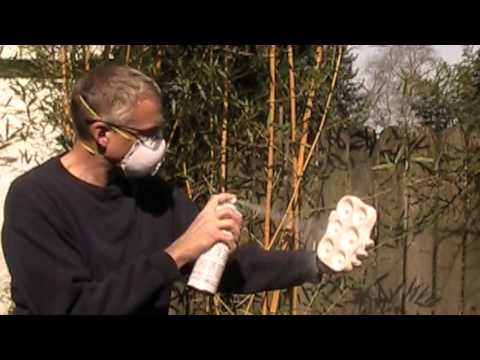
  • While coating molds be sure shake well and keep the can vertical. Spraying at an angle or upside down will cause you to only get propellant and not the mold release.
  • After a few firings, a soft bristle brush can be used to loosen and remove old release before re-application.
Cast glass butterflies by artist Kayleigh Clark.
California Prop 65 WARNING: This product can expose you to chemicals including lead, which are known to the State of California to cause cancer and birth defects or other reproductive harm. For more information go to www.P65Warnings.ca.gov
This item cannot be shipped air.

Customer Reviews

4.9 out of 5 stars
5 star  
  20
4 star
  2
3 star
  0
2 star
  0
1 star
  0
See all 22 customer reviews
Write a customer review

Product Images from Customers

Be the first to share product images with other customers
5 out of 5 stars
  •   Best Mold Release
By on
Pros : I will not use anything but ZYP for my casting projects
Cons : None
Was this review helpful to you?  
5 out of 5 stars
  •   best mold release
By on
Pros : works every time lasts more than one fire
Cons :
Other Thoughts : best product out there for use in molds
Was this review helpful to you?  
5 out of 5 stars
  •   Great Product
By on
Pros : Works really well and lasts a long time on the mold
Cons : Very expensive
Other Thoughts : easy to use
Was this review helpful to you?  
3 of 4 people found this review helpful

See all 22 customer reviews
Related Content
My commuting jacket is drying over a kitchen chair, and the cat has come down off the workbench to sniff the sleeve with deep suspicion. Fair enough. Theres a stripe of brown grit up the back, the kind wet roads and mashed leaves throw up all autumn.That grit ends up on brakes too. So heres a short pre-winter check for Defiant riders. Im working from general technique and the JupiterBike product listings, not from my own bike.Why autumn chews through brake padsQuick jargon check. On a disc brake, a metal disc called the rotor is fixed to the wheel hub. Two pads squeeze it to slow you down. They sit in a caliper, the clamp that straddles the rotor.Wet roads carry grit and leaf mush onto the rotor. When you brake, that grit gets trapped between pad and rotor and works like sandpaper, so the same commute wears pads faster