Shop By Category
Take 20% OFF Your Order* - Ends Today

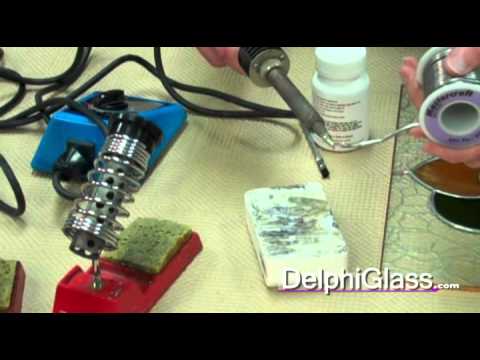
Mika Tempright Temperature Controller

Mika Tempright Temperature Controller by Mika International
$67.95 USD
Only 7 left in stock - order soon.
Item# 5067   In Stock

Product Features

  • Works with virtually any soldering iron - can handle up to 400w iron
  • Features on/off indicator, dial control and 3 prong outlet
  • Indicator light lets you know the controller is on
  • Includes a one year manufacturer warranty

Product Description

The Mika Tempright 1000 can handle up to 400w and works with virtually any soldering iron. You will get the right temperature to melt your solder every time for perfect solder lines!

Customer Reviews

4.9 out of 5 stars
5 star  
  6
4 star
  1
3 star
  0
2 star
  0
1 star
  0
See all 7 customer reviews
Write a customer review

Product Images from Customers

Be the first to share product images with other customers
5 out of 5 stars
  •   excelente
By on
Pros : facilita el manejo del soldador. ahora se controlan fàcilmente las temperaturas sin necesidad de conectar y desconectar el soldador y ahorrando en costos de energìa.
Cons :
Other Thoughts : English Translation Title - Excelent Pros - Easily manage the soldering iron. Now one can easily control the temperature without needing to connect and disconnect the soldering iron and it saves on the cost of energy.
Was this review helpful to you?  
3 of 7 people found this review helpful
5 out of 5 stars
  •   mika tempright temperature controller
By on
Pros : works really well
Cons :
Was this review helpful to you?  
5 out of 5 stars
  •   temp controller
By on
Pros : I love this product it keeps my iron at a nice even temperature.This makes my soldrt lines look much nicer amnd more uniform. the ease of use is remarkable
Cons :
Was this review helpful to you?  
3 of 5 people found this review helpful

See all 7 customer reviews
Related Content
My commuting jacket is drying over a kitchen chair, and the cat has come down off the workbench to sniff the sleeve with deep suspicion. Fair enough. Theres a stripe of brown grit up the back, the kind wet roads and mashed leaves throw up all autumn.That grit ends up on brakes too. So heres a short pre-winter check for Defiant riders. Im working from general technique and the JupiterBike product listings, not from my own bike.Why autumn chews through brake padsQuick jargon check. On a disc brake, a metal disc called the rotor is fixed to the wheel hub. Two pads squeeze it to slow you down. They sit in a caliper, the clamp that straddles the rotor.Wet roads carry grit and leaf mush onto the rotor. When you brake, that grit gets trapped between pad and rotor and works like sandpaper, so the same commute wears pads faster

You may also like