Shop By Category
3 Days Only - Save Up to $1,100 on Kilns

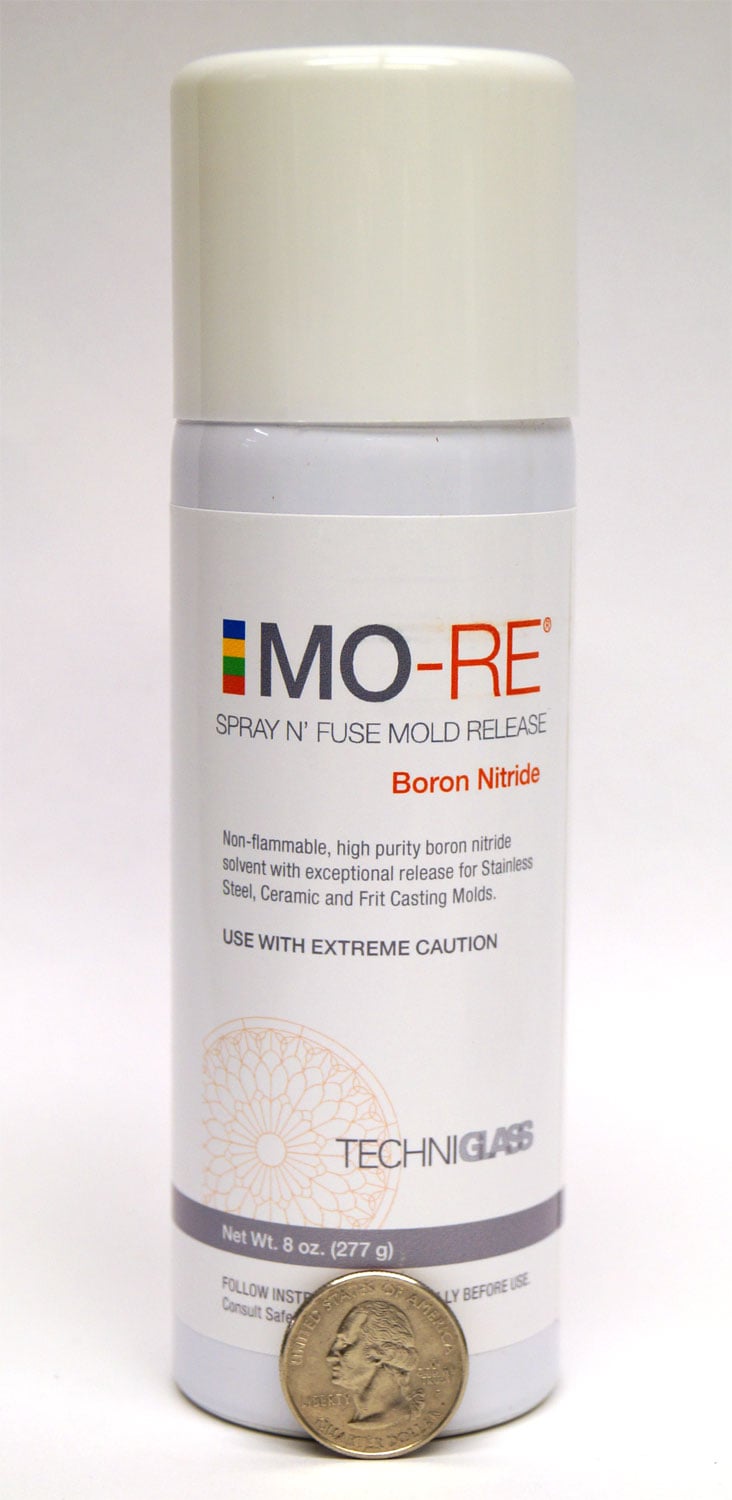
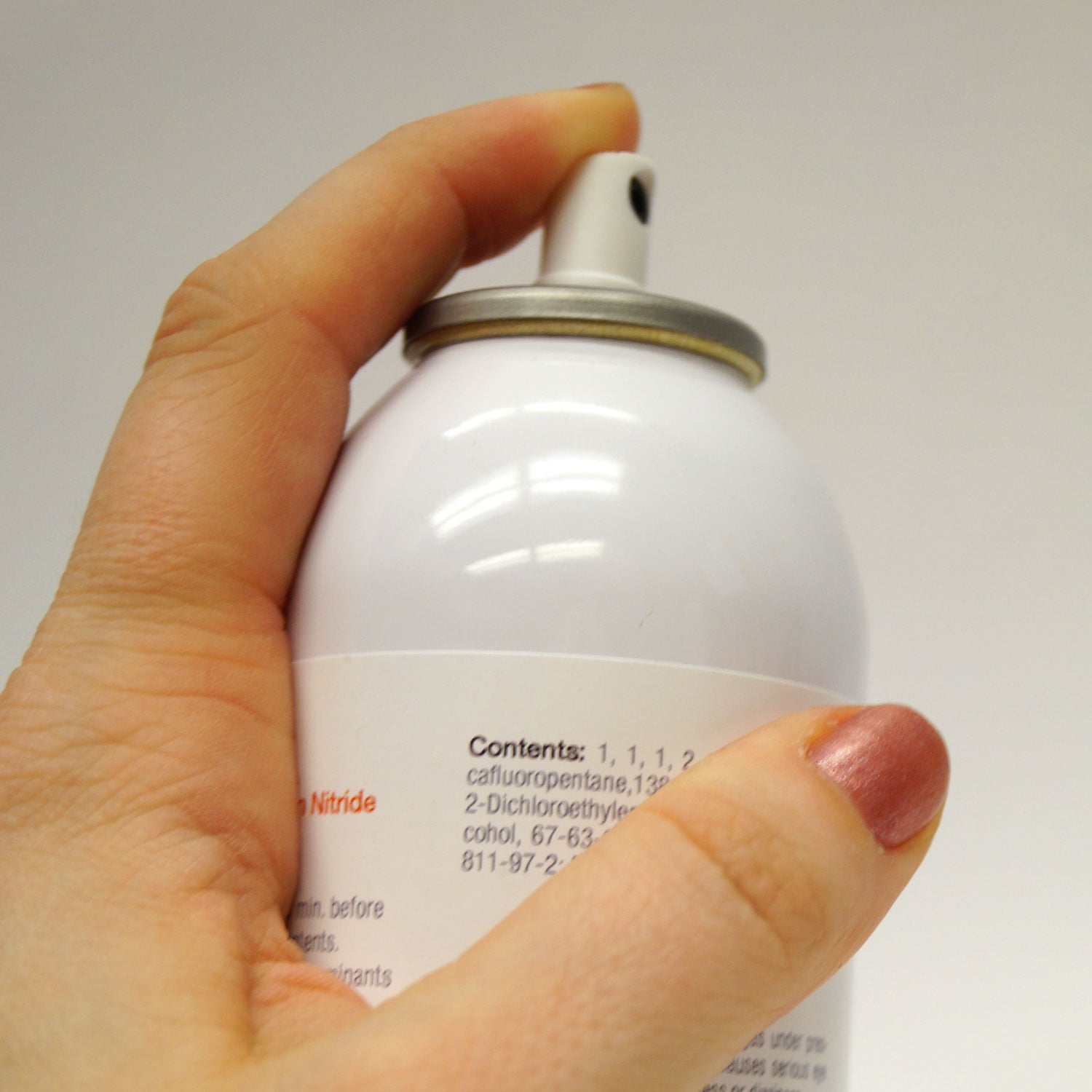
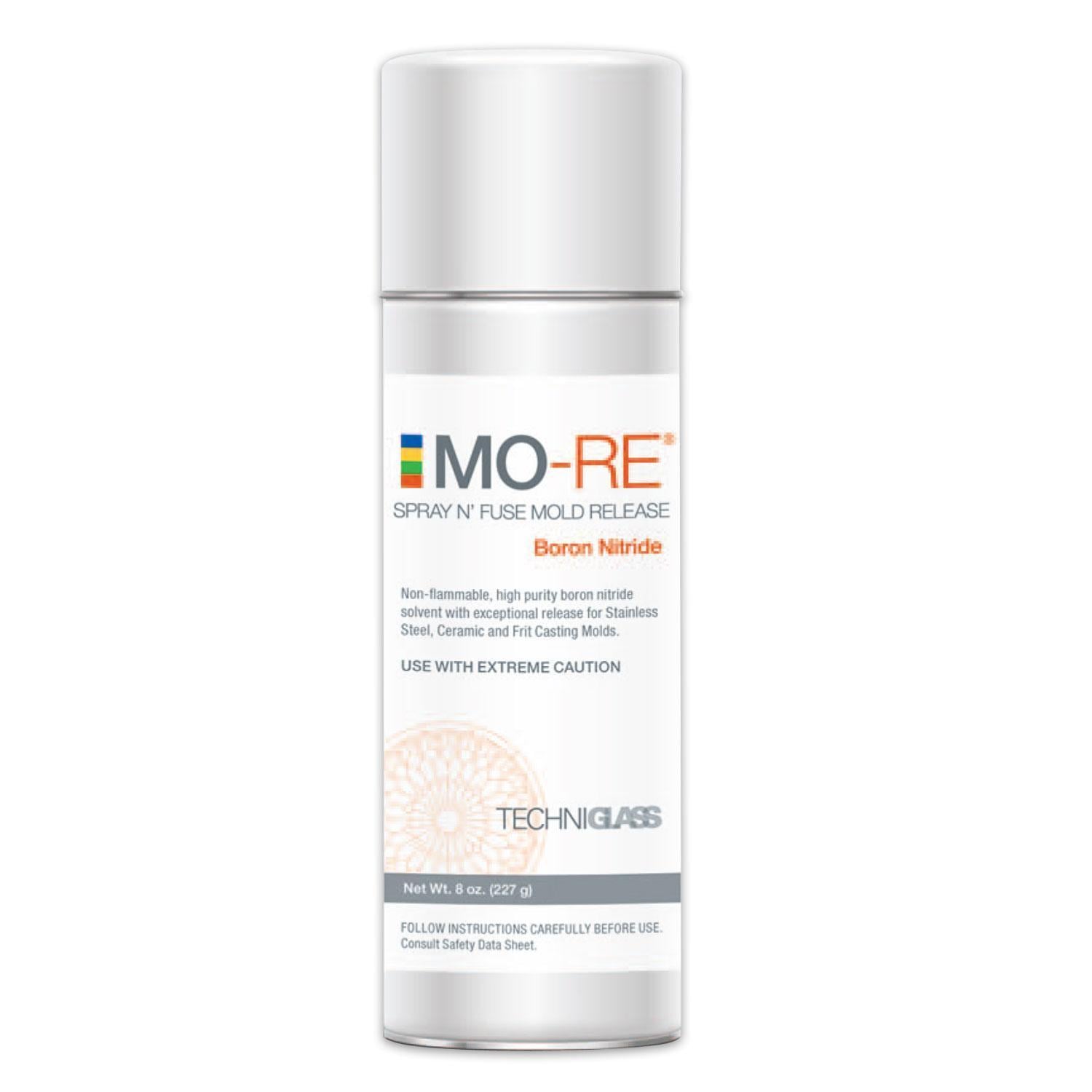
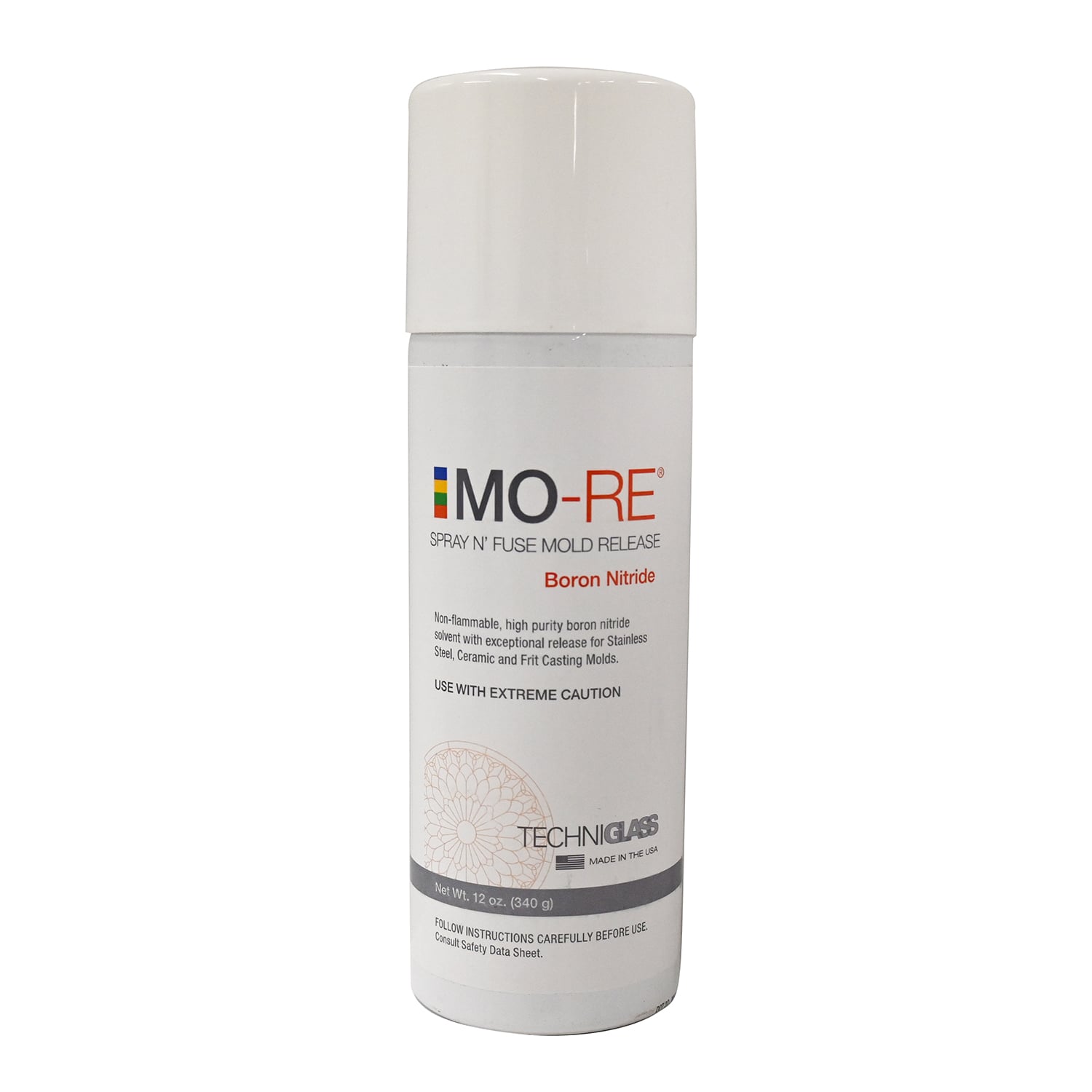
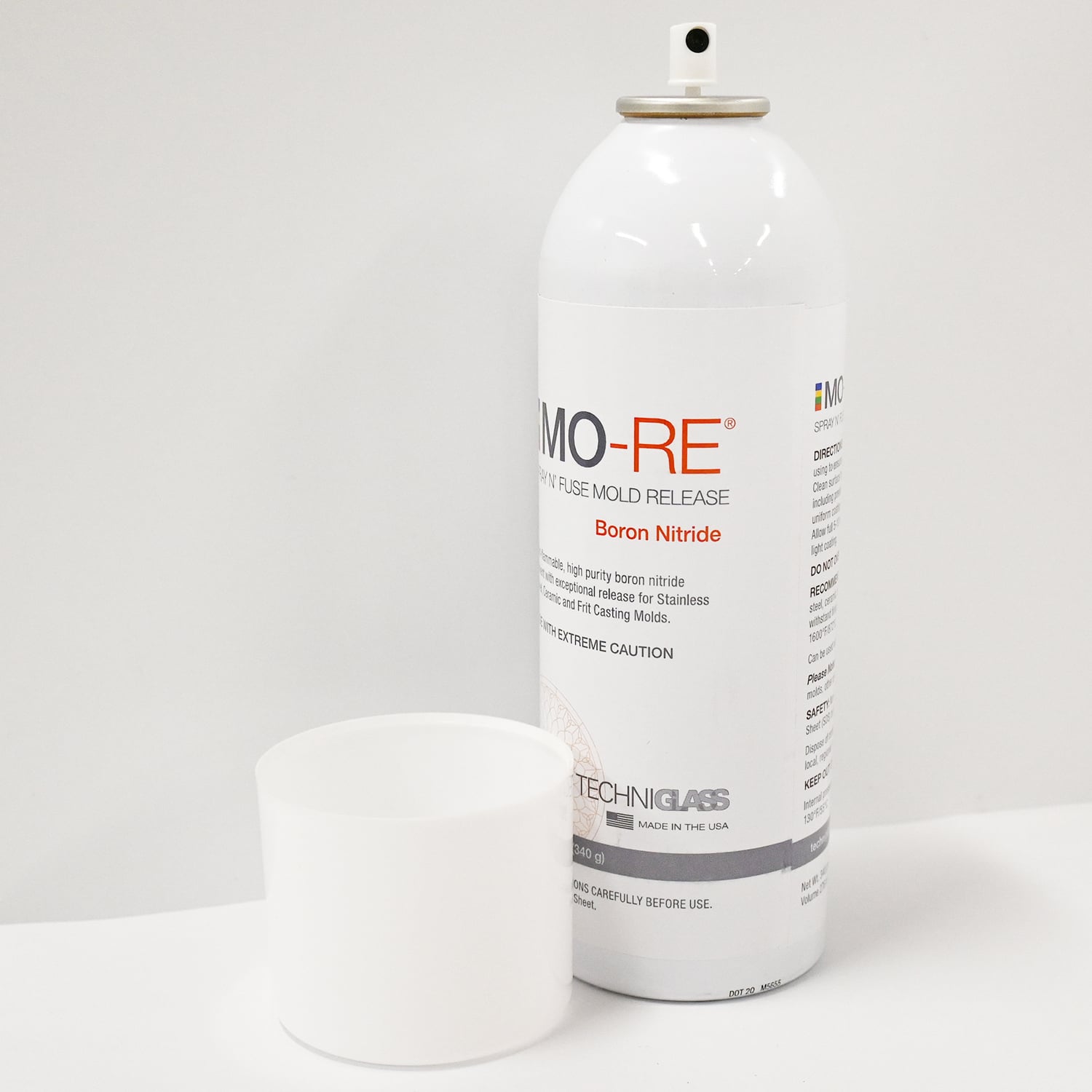
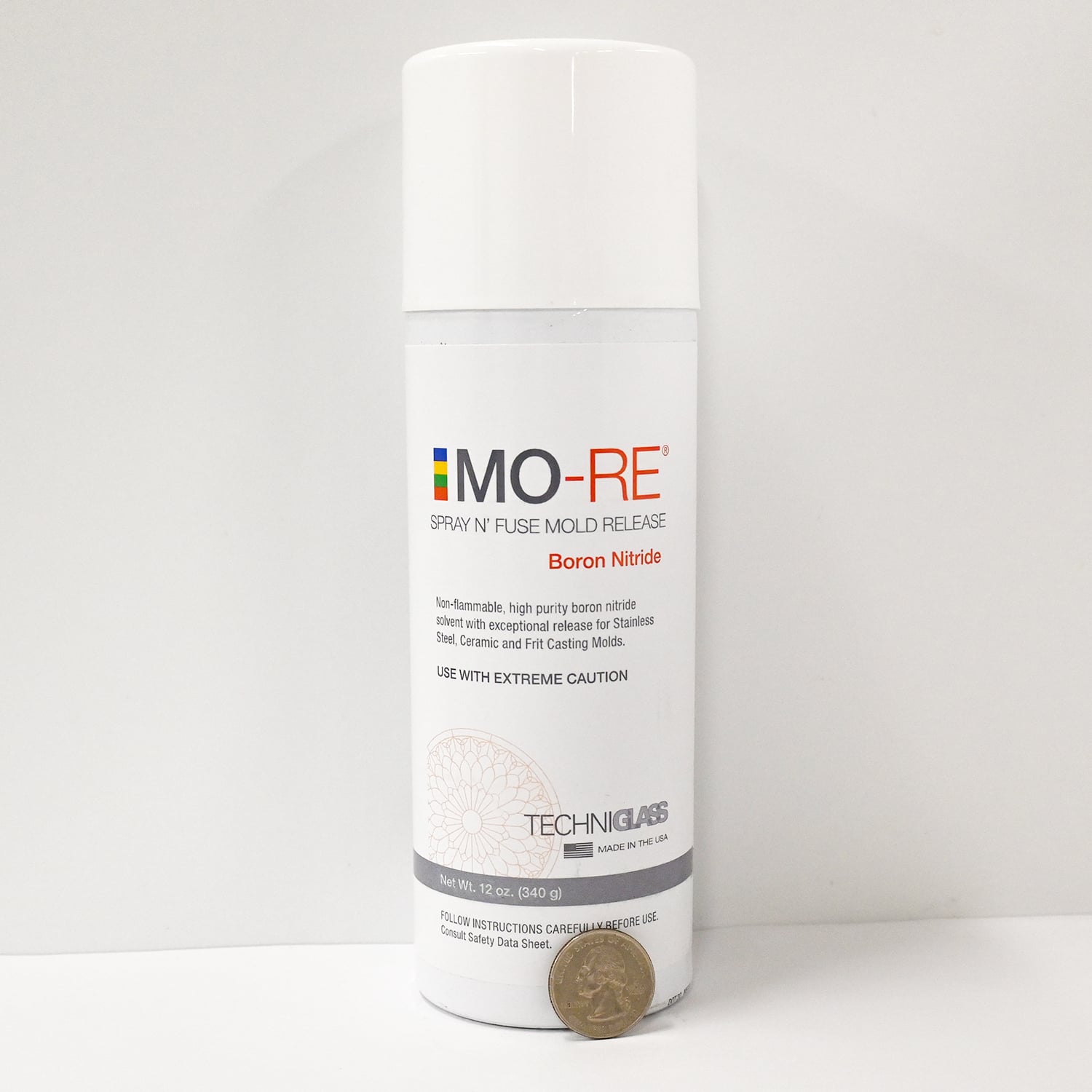
MO-RE Spray'N Fuse Mold Release - 12 Oz

MO-RE Spray'N Fuse Mold Release - 12 Oz by Techniglass
$64.95 USD
Only 5 left in stock - order soon.
Item# 7076   In Stock

  • Effective at temperatures up to 1600° F
  • Wet application allows self-leveling of particles
  • Works on stainless steel, ceramic, and casting molds
  • Equipped with anti-clog nozzle
  • Easy spray-on formula - 12 oz

Product Description

New and Improved Formula!
One Release for All Your Projects

This versatile release can be used on stainless steel or ceramic slumping as well as casting molds. Easy spray-on formula with anti-clog nozzle makes applying a uniform coat a breeze. Effective at temperatures up to 1600° F. 12 oz.

Instructions:

  1. Shake can vigorously for 1 min. before use to ensure proper suspension of contents.
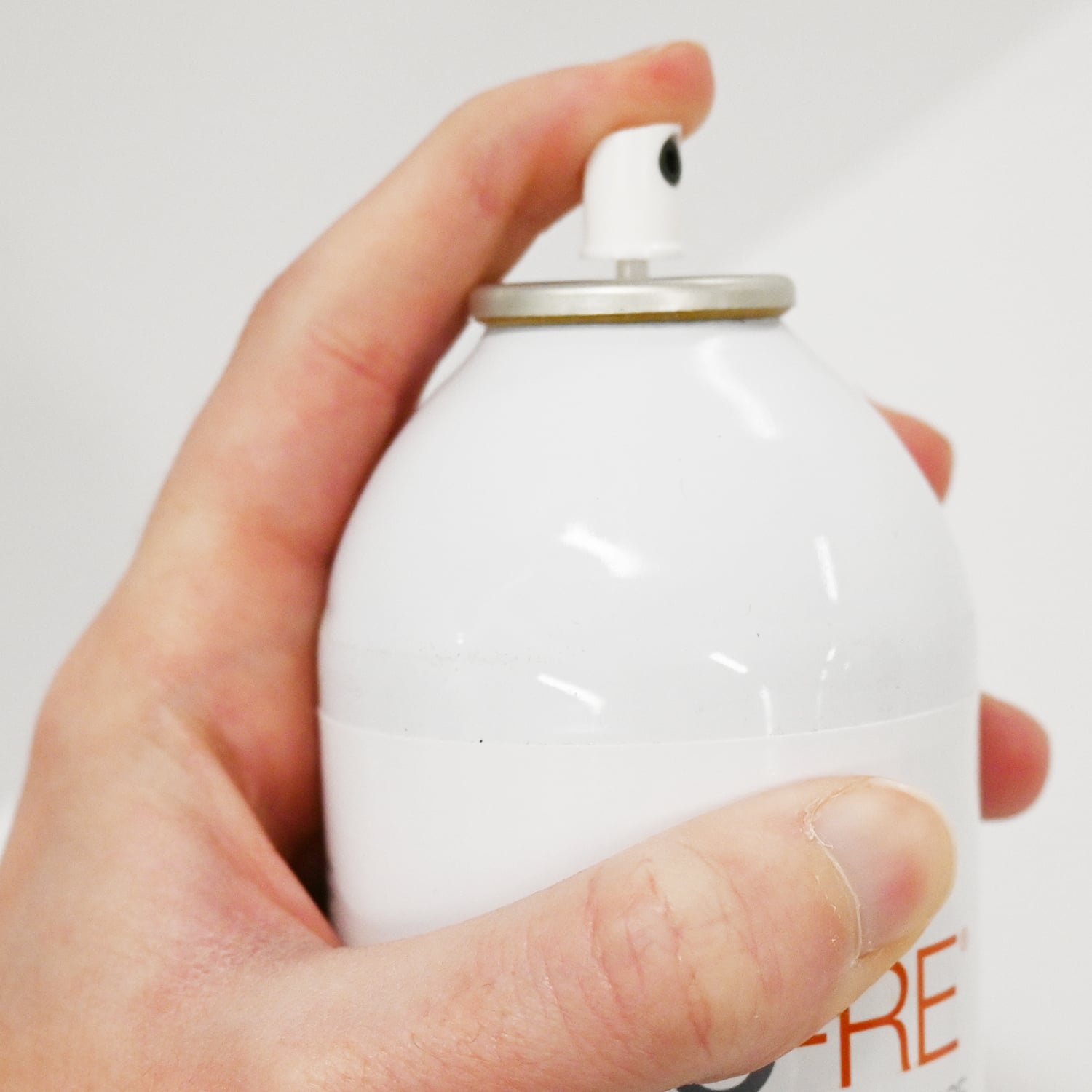
  2. Hold can at 45° angle during application and hold 10 to 14 inches away from the mold.
  3. Spray in a swift, sweeping motion beginning off surface of object, continuing off other side.
  4. On needed basis, rotate small objects.
  5. Allow full 5-10 minutes drying time.
  6. Apply a light second coating once first coat has completely dried.
Tips:
  • This is a self-leveling product; initial application will appear wet.
  • If glass is difficult to release, a full drying time was not applied.
  • If you find the product is leaving 'scum on glass' - too much product has been applied.
  • Once MO-RE is applied to ceramic molds, other primers will no longer be effective.
California Prop 65 WARNING: This product can expose you to chemicals including lead, which are known to the State of California to cause cancer and birth defects or other reproductive harm. For more information go to www.P65Warnings.ca.gov
This item cannot be shipped air.

Customer Reviews

5 out of 5 stars
5 star  
  1
4 star
  0
3 star
  0
2 star
  0
1 star
  0
See all customer reviews
Write a customer review

Product Images from Customers

Be the first to share product images with other customers
5 out of 5 stars
  •  
By on
Pros :
Cons :
Was this review helpful to you?  
2 of 5 people found this review helpful

See all customer reviews
Related Content
My commuting jacket is drying over a kitchen chair, and the cat has come down off the workbench to sniff the sleeve with deep suspicion. Fair enough. Theres a stripe of brown grit up the back, the kind wet roads and mashed leaves throw up all autumn.That grit ends up on brakes too. So heres a short pre-winter check for Defiant riders. Im working from general technique and the JupiterBike product listings, not from my own bike.Why autumn chews through brake padsQuick jargon check. On a disc brake, a metal disc called the rotor is fixed to the wheel hub. Two pads squeeze it to slow you down. They sit in a caliper, the clamp that straddles the rotor.Wet roads carry grit and leaf mush onto the rotor. When you brake, that grit gets trapped between pad and rotor and works like sandpaper, so the same commute wears pads faster